

India is one of the most beautiful, fascinating, vibrant and culturally exciting countries on the planet. Sure, being half Indian I'm a little biased - but I'm sure anyone who's been will tell you the same!
However, getting the most out of your India adventure does require some effort. It can be a daunting country to visit, due to the cultural differences, but also concern about the busyness, safety as a foreigner, and of course, the dreaded Delhi belly. I won't deny that it definitely takes a little more planning, and awareness, but if you're prepared, it's well worth it.
I've been visiting India since I was a child, so I'd like to think I've become a pretty savvy traveller when it comes to the ins and outs of navigating the country. As such, I've compiled some of my top tips into this cheat sheet, to help prepare you for your own India adventures.

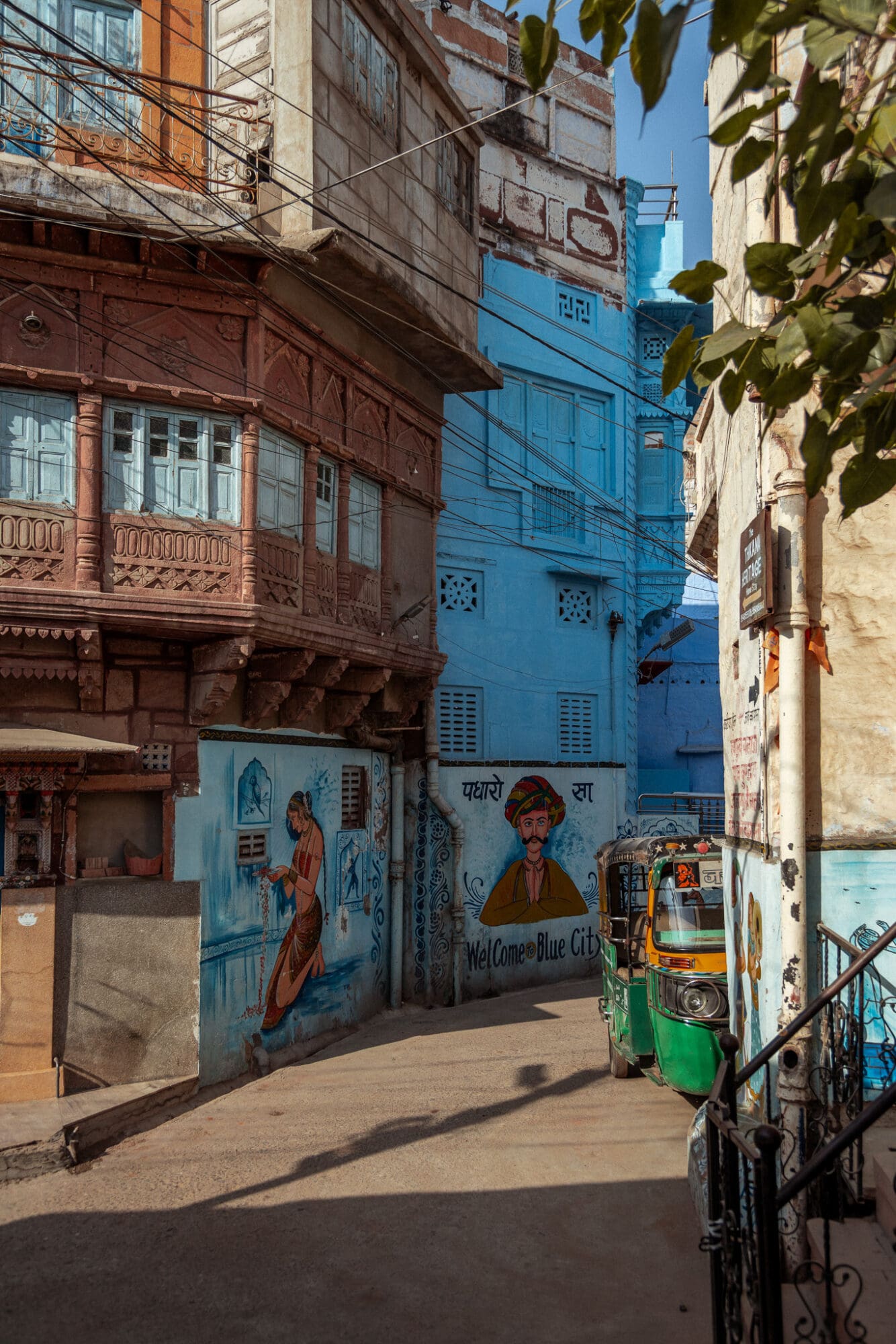
1. When to visit India
When to go in India will really depend on where you're going. December to March is high season in most parts of the country can be busy, particularly in the resort areas. The weather is generally best - it's less stuffy though still hot at 30+ degrees. That said, it may still be cold in the Northern mountains. The Summer months can get very hot, and are likely to be rainy with monsoon season starting around July. However it's quieter - I've had Goan beaches completely to myself this time of year, which is a rare occurrence!
2. Where to go in India
India has so much to offer in terms of things to do and see. There's nature, wildlife, beaches galore, the beautiful backwaters, and bustling cities. It's almost impossible to fit it all in - ideally you'd need at least three months to really see the country. If you're going for a couple of weeks, its probably best to base yourself either in the North or South.
If you want beaches, Goa is the obvious option, particularly if you want to be able to drink, socialise, and party. But there are plenty of other beaches lining the South Coast such as Varkala and Kovalum - if you're a real beach bum you could definitely plan a nice beaching hopping tripping through Kerala!
If you're interested in the beautiful architecture, you're spoilt for choice. The North has some gorgeous architectural gems that have no doubt spammed your Instagram feed in spots like Jaipur and Agra. The South boasts the Ajanta and Ellora caves, the ruins of Hampi, as well as the Meenakshi Amman Temple in Madurai. Then there's charming colonial cities like Pondicherry and Fort Kochi, which are well worth whiling away a couple of days in.
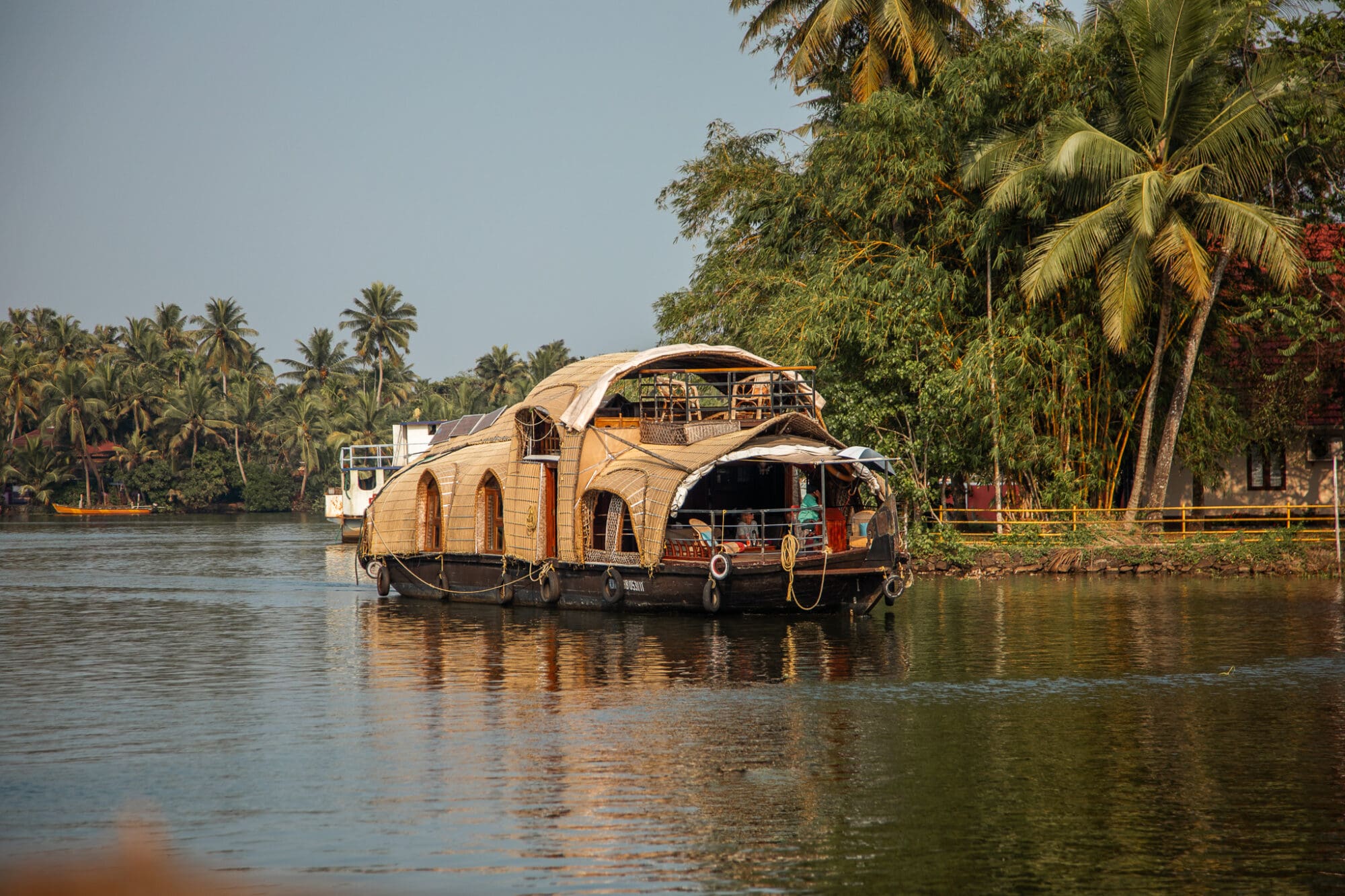
For nature, again there's an abundance of options. Take a week lazing on the backwaters of Kerala in a houseboat, or head north to Ladakh or the Himalayas for stunning mountain views. If you're keen to spot an elephant or a tiger, there are national parks dotted all over the country (this list is a good starting point if you're thinking of visiting). If you want a respite from the heat, head to the Hill Stations such as Darjeeling or Munnar to enjoy a cuppa with a view of endless tea plantations.
My top tip? Don't just stick to the well-trodden routes. Yes the Taj Mahal is a must see, but you'll discover far more of India's true charm beyond the tourist sights. Head out to rural Rajasthan, trek up in the Northern mountains, or consider the less frequented Southern States.

3. Getting around India
Figuring out internal travelling in India is confusing. Between destinations, the country has a comprehensive train system, but booking tickets can be a challenge. You have two main booking options. There's 12GoAsia, which hosts all the most popular routes, however charges a hefty markup. Or, if you have the patience, you can set up an account with Indian Railways (this blog post outlines how to register). It's a faff, and the website isn't the easiest to figure out, but you'll have more route options, and be paying far less. On one train from Delhi to Agra we got chatting to a couple next to us, to find out they'd paid twice the price!
It's such a large country that you may end up doing a couple of overnight trains - they're a novel experience but it's hard to get much sleep as they're not exactly comfortable. Still, it's such a quintessentially Indian experience! Make sure you give yourself plenty of time at the station for the inevitable queues, confusion, and general faff that makes travelling in India so frustrating, but memorable.
Within cities, you'll find Uber reliable - and you can even use it to hail auto rickshaws! Personally I recommend this over hailing off the street, as the prices are fixed so negate the need for haggling.

4. What to wear in India
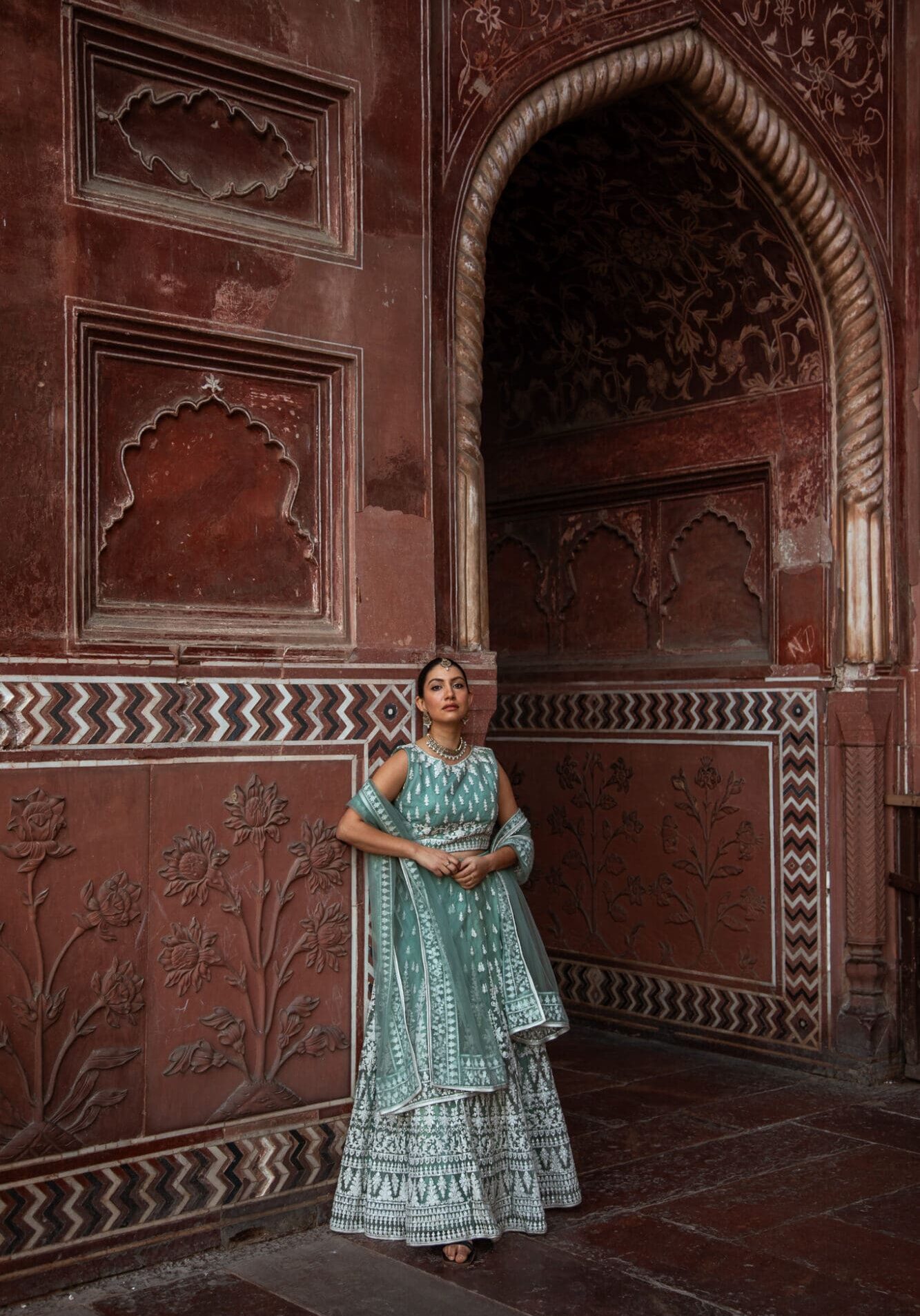
This one is mainly for the ladies, if you're a man it's largely acceptable to wear what you'd wear in the West (provided you don't go round in neon mankinis or something!). India is a conservative country when it comes to dress. Western clothing is common, particularly amongst the younger generations, however women are still unlikely to be showing a lot of skin and many will still be wearing traditional sari's or churidar's outside of the cities.
Whilst you're not going to receive any backlash if you're dressed more racily, you will get stared at and it can be uncomfortable. Generally I'd advise keeping your shoulders and bust covered, as well as wearing below knee skirts. Keep a shawl with you if you're going to be visiting temples or other places where covering up is required. Of course if you're in particularly touristy areas such as Goa you can pretty much wear what you like - just take stock of what other people are wearing and use it as a guide.
If in doubt? Come with an empty suitcase, and do some shopping whilst you're out there!
5. Apps and Connectivity
I'd recommend picking up a local sim when you arrive in India - they're cheap and it's always worth being able to call and use internet for emergencies. Airtel is the common brand. Alternatively, set up an eSIM before you arrive - Nomad, Airalo, and Holafly all offer coverage in India.
Whilst in many places cabs and autos are metered, there are just as many that aren't and you can easily find yourself getting completely ripped off for journeys that would cost half as much for a local. Thankfully, ride hailing is available. Uber works, or download Ola, which includes options from taxis to autos.
Another app I downloaded while in India was Zomato, which is like Trip Advisor but just for restaurants, cafes and bars. I used it to book tables, find reputable bars for a drink, and the perfect spots for brunch! It's particularly useful in big cities where you're less likely to just stumble over a great place - often we'd end up at amazing cafes that we would never have found otherwise as they weren't generally in touristy areas.

6. Payment in India
I highly recommend setting up a UPI account. UPI is India's main method of payment, essentially allowing you to scan QR codes for vendors to pay for things. Everyone from big hotels and restaurant brands down to tuk tuk drivers have a QR, making fishing for change largely a thing of the past. It's a bit of a faff to set up, but so worth it. We used Mony, however I would exercise caution with how much you load your account with, as it took absolutely ages and lots of following up to get the excess amount refunded when we left. Altneratively, Wise recommends Cheq UPI and ICICI Bank iMobile Pay - if you try either of these, do let me know how you get on!
7. Haggling in India
Shopping the local markets is a can't miss experience in India, however as a foreigner, you're going to stand out as an easy target. Though you're probably never going to get anywhere near the local prices, you can try and avoid getting too stiffed by learning the basics of haggling. Keep in mind that whatever price they quote you, it's probably at least twice what the item is worth.
If you think someone is ripping you off, try asking at a few stalls to get a sense of average prices - then go back to the cheapest one and bring them down! If someone is asking a crazy price, start walking away. 9 out of 10 times they'll start calling you back with a lower price, and then you can start to haggle.
It can be exhausting, and when you think about it as only a matter of a couple of pounds it can be tempting to just give in, but it's all part of the experience - plus it's a real adrenaline rush when you score something for a fraction of the 'original' price!


8. Avoid scams
Unfortunately, people attempting to scam you whilst travelling in India is probably going to happen at some point or another. Nearly everyone who's visited the country has a story of either falling for or avoiding a scam - and if they don't, they probably just didn't realise!
Anyone who tries to take you to a shop, restaurant, or similar, without prompting, is usually looking to exact some serious money or commission out of you. Or people trying to tell you certain places are closed, and that they can take you elsewhere. If hailing a rickshaw or cab off the street, ensure the journey is metered, or that the fair is agreed upon before embarking.
Another example is at train stations, where someone official looking will try to tell you you've bought the wrong ticket and that you need to go buy a foreigner ticket, or similar. I nearly fell for it, bleary eyed and jetlagged, our first morning at Delhi airport!
As a general rule, remain cautious during interactions, make sure any fees are clear from the get go, and listen to your instincts.
9. Indulge in Indian food
India is easily one of the very best food destinations in the world. Sumptuous, rich curries, tandoor grills, fresh seafood and heaving thalis? Incredible. It's also an excellent destination for vegetarians, as a large portion of the population are veggie. Most of what we know of as Indian food in the UK is from Northern regions, and evolved by the South Asian diaspora over generations (did you know Chicken Tikka Masala is actually a British dish?). Therefore, Indian cuisine may not be what you expect. In fact, it's very regional. You'll find strong, spicy meat curries in the North, whilst coastal states like Kerala are all about fresh fish, or more vegetarian focussed. In fact, most regions will have their own distinct flavours and signature dishes.
Some must tries:
Thali: A thali is the ultimate feast, where a number of different taster curries will be served up in small silver pots, with rice and dhal. It's usually great value, and comes in veg and non-options.
Banana leaf meal: Similar to a thali, but unique to Kerala, with curries and rice served on a banana leaf.
Mango Lassi: These thick yoghurt drinks are my favourite thing to have in India, I live on them!
Paratha: You probably know of naans and rotis, but paratha are another must try bread. It's a round flatbread, with crispy edges and a flaky texture. Sometimes they'll be stuffed with ingredients, such as minced meat.
Tandoor grills: If you're a meat eater, tandoori fired meats are a must try. You'll get plenty of options, particularly in the North - my favourites are usually chicken tikka and murgh malai.
Street foods and snacks: Samosas, obviously, but also look out for Puris (a golden, crispy bread served with potato curry), Vadas (savoury fried lentil batter in a doughnut shape), and Murukku (a super crispy spiral shaped deep fried treat).
Masala Chai: Sweet, spiced tea that you'll find everywhere in India. On our last trip, Adam got so addicted to the stuff that he asked the bemused chaiwalla on our train to fill up his flask full of chai!
Of course, Delhi Belly is no joke, so take precautions. Avoid cold salads unless you're eating somewhere you trust, eat street food at reputable / busy spots, and don't drink the tap water (I do however brush my teeth with it, and have never had any issues). Also this may be an old wives tale, but I try to eat a local yoghurt as soon as I arrive in a new destination. Supposedly this introduces the local bacteria to your system. I've never had food poisoning whenever I've done this!
10. Don't forget your Visa
Last, but certainly not least... don't forget your visa! If you're travelling from the UK, US, or EU, you'll need a visa to enter India. You can apply for an evisa online, but note that you can only enter through specified ports (air and sea). There's a wealth of information you'll need to have prepared to apply, including the usual passport and itinerary details, but also things like you mother and father's place of birth, and details of any previous trips to India. You can view the sample form here. Application for a 30 day visa is available within 30 days of arrival into the country, or 120 days for 1 year visas, and usually takes around 3 days to process.

India is a vibrant, overwhelming, exhausting, exhilarating, deliriously wonderful destination to visit. It's truly like nowhere else I've been, so rich in colour, culture, and history. There's such a wealth of experiences to be had, and you'll meet some of the kindest people (just avoid the scammers!). Then there's the cuisine - on my last trip I ate curries in India for a month straight and didn't get remotely bored, they were so flavoursome and varied. It can be hard work, but with a little preparedness you'll be ready for the adventure.
I hope these India travel tips have been helpful, and inspired your future travels. Be sure to check out the rest of my India tips and guides. And as always, if you have any questions feel free to pop them in the comments below.


Lovely Pictures. Agreed -India is mind blowing and annoying.
Wow, these photos are incredibly beautiful! Ive heard all of India is an attack on everyone of your senses! Its been one of the countries I want to visit for a while now.
Hayley xx
http://www.5ftlife.co.uk
Im soooo excited!! Thank you this was so useful! :)