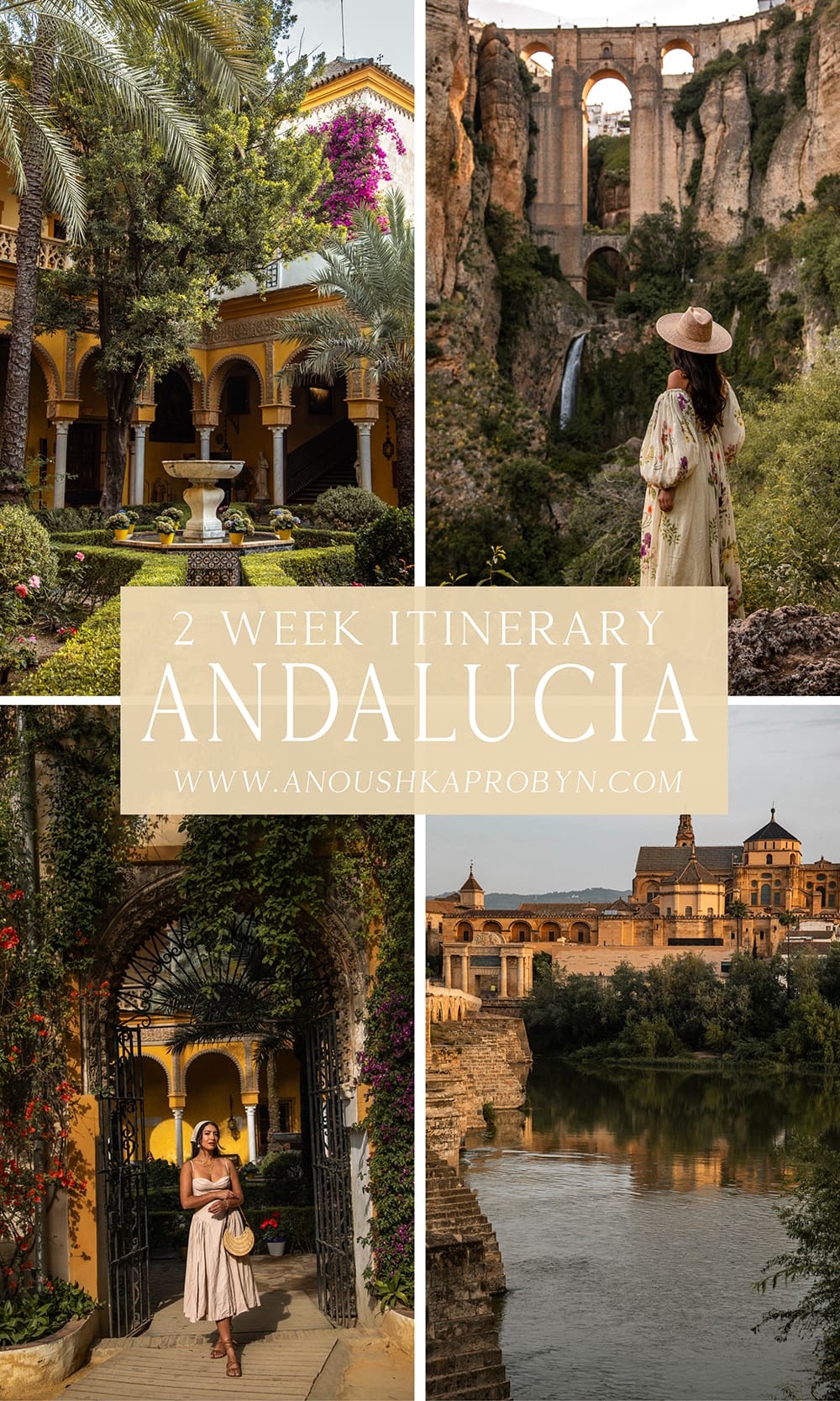
Where to start with Andalucia? Mainland Spain's southernmost region is also one of its most beautiful, from swathes of idyllic coastland to the rolling hills of the Sierra da las Nieves National Park. It also hosts some of the country's most interesting cities, including Seville, Cordoba, and Granada. It is particularly enthralling for the design, history, and architecture lovers amongst us, thanks to the wealth of historic sites dating from the region's Moorish rule between the 8th and 15 centuries.
Modern-day Andalucia, however, is a thriving cultural destination in it's own right. Here you'll find some of the countries best tapas, alive and well in bustling tapas bars that have stood proud for generations. The tradition of sherry-making can be discovered in the Cadiz region's sherry triangle, and the white towns (pueblos blancos) of inland Andalucia are quite the sight to behold.
There is so much to do and see in Andalucia, that you could easily take months to explore it all. Its capital, Seville, is one of my favourite cities in the whole world, and one I make sure to return to often. However on this most recent trip we decided to venture further afield, spending two weeks exploring the whole region. I've put my experiences together to write this guide to a pretty perfect two week Andalucia itinerary. It's an ideal mix of coastal hubs, great dining, and can't miss sightseeing, peppered with practical tips for getting the most out of this incredible Spanish region.
The Andalucia 2 Week Itinerary
- 3/4 Nights: Sightseeing and tapas touring in Andalucia's crown jewel, Seville
- 1/2 Nights: Discover the sherry triangle of Andalucia in Jerez de la Frontera, Sanlúcar de Barrameda, and El Puerto de Santa María
- 2 Nights: Head down south to the coastal city of Cadiz
- 3 Nights: Explore Ronda and take day trips to the neighbouring white towns (Pueblos Blancos)
- 2 Nights: See the famous Alhambra in picturesque Granada
- 2 Nights: Wander the flower filled patios and discover local delicacies in Cordoba
Got an extra couple of nights? Take in in Andalucia's second city, Malaga, or spend some time hiking and experiencing adventure activities in the region's national parks.
Andalucia 101
When to Visit Andalucia
I'd recommend visiting Andalucia in shoulder season, so April - early June and September - October. These tend to be the most temperate months, avoiding the height of Summer heat. Late April to early May also sees a number of festivals in the region, including the Feria in Seville, and the Patio Festival in Cordoba. However these festivals do see extra visitors to the region, so may be particularly busy.
If you really don't fancy crowds, February, March, and November will be quieter, though colder. That said, I've done Seville several times in Jan-March and found it mild compared to chilly London!
Getting to Andalucia
The main international airport hubs in the region are Seville and Malaga, with regular direct flights from the UK from Ryanair, easyJet, etc. This itinerary starts in Seville, therefore this would be my pick for flying in and out of. Alternatively, you could add Malaga to your itinerary and fly in to one and out of the other!
Getting around Andalucia
You've got two main options for getting around Andalucia. You could rent a car, which is what we did for the majority of this itinerary. It's ideal for exploring the region's smaller destinations, like the Pueblos Blancos, however parking can be a hassle in the cities (we skipped the car for Seville, for instance). Or you can explore the region by train. Most of the destinations on this itinerary are connected by train, and tickets can be bought via all the usual outlets including Trainline, Omio, and Renfe. You'll avoid parking fees in the cities, however it does obviously give you less flexibility to venture further afield.

3/4 Nights: Seville
The bulk of this itinerary is dedicated to Seville, and with good reason. The Andalucian capital is my very favourite city in Spain, and in fact one of my favourite cities in the whole world. I know, I know, I'm really hyping it up here, but I challenge you to find someone who doesn't like Seville.
As to why? It's just got so much going for it. Starting off strong with architecture, it's an incredible destination to discover the region's Moorish influences, from the sheer number of lavish palacios to the breathtaking Royal Alcazar. Seville is also a great destination for dining, from no frills tapas bars to modern, innovative dining. But beyond this, it's just a wonderful city to wander, taking in buzzing open air plazas and orange tree lined backstreets.
I've allocated a somewhat generous four nights for Seville in this itinerary, though if you're tight for time you could shave off a night. Any less, however, would not be doing it justice! And however much time you give it, I guarantee Seville will leave you wanting more...

Where to Stay in Seville
- Nüa Santiago 15: This stylish spot (pictured) boasts a tranquil courtyard, chic rooms, and friendly staff, all in a convenient location for exploring the city.
- AirB&B Apartment with terraze and views: A basic, no frills apartment stay for those looking for a budget friendly pad with friends or family. The terrace view however, looking out over the Palacio de las Dueñas, makes for an excellent spot for cervezas and cards at sunset.
- Hotel Fernando III: A sleek, chic, luxury boutique, but really, all you need to do is look at a picture of the rooftop pool to be convinced.
- Casa del Contratador by Época Suites: Elegantly styled and ideally located, these beautiful apartments are on my bucket list for my next Seville stay.
- Hotel Alfonso XIII: The Grand Dame of Seville's luxury hotel scene, this stunning historic property is a worthy addition to Marriott's Luxury Collection.
- Corral del Rey: A tranquil, effortlessly chic boutique experience in the heart of Seville.
- Triana House: For those looking to experience a different side of Seville, this well rated design hotel is located in the oh so cool Triana neighbourhood.
Things to do in Seville
- Plaza de Espana: Built for the 1929 Ibero-American Exposition, this impressive open air plaza features a striking turreted building, canals, and opulent tiled alcoves representing the 17 regions of Spain. It's free to visit - I'd recommend sunrise to have it all to yourself, or sunset for the best colours, live flamenco, and a bustling atmosphere.
- Real Alcazar de Sevilla: A historic royal palace from Seville's Moorish history, this opulent space hosts a mix of lavish courtyards and palatial gardens. Make sure to book ahead as tickets can sell out in peak seasons, and take your passport to verify your identity.
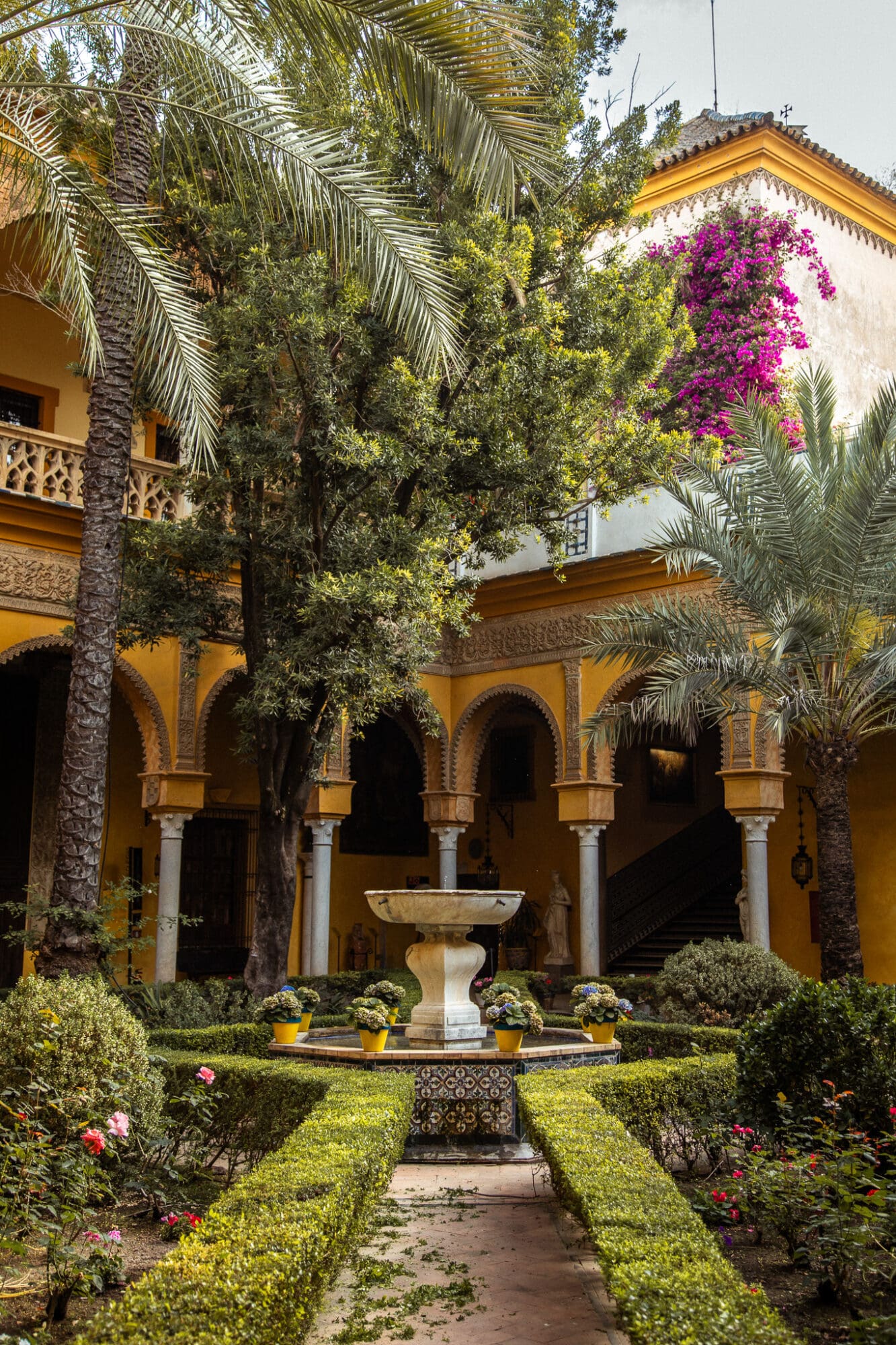
- Casa de Pilatos: My favourite of Seville's grand homes, this stunning Andalucian palace (pictured) is a great place to immerse yourself in the region's rich design culture.
- Palacio de Las Duenas: Similar to Casa de Pilatos, Palacio de Las Duenas is a breathtaking 15th century palace with Renaissance, Moorish, and Gothic design influences. Entry is free on Monday afternoons, which can be booked in advance online.
- Palacio de Lebrija: Yep, another Palacio! I promise they're all worth visiting. Tickets to the beautiful Casa Palacio Contesa de Lebrija include a guided tour of the upstairs floor, where you can learn about the collections of the home's past owner, Countess Lebrija. Spoiler: she had excellent taste.
- Setas de Sevilla: Head up this unique wooden structure for sweeping panoramic views out over the city.
- Seville Cathedral: The world's largest Gothic cathedral, take a nosy inside Seville's imposing Cathedral and La Giralda (bell tower).
- Explore Triana: Cross the river to discover Seville's coolest neighbourhood. With more of a local vibe away from the tourists, the Triana neighbourhood boasts some great dining and bar options, as well as plenty of pretty streets to explore.


Where to Eat in Seville
- El Rinconcillo: In a city full of iconic tapas bars, El Rinconcillo is the OG. You may well have to queue, but it's worth it to nab a spot at Seville's oldest tapas bar.
- Bar Alfalfa: Another classic spot in Seville for tapas (pictured), Alfalfa is a compact space that's always bustling, and serves up plenty of Andalucian tapas staples. I particularly liked the addition of bruschettas, a selection of toasts with toppings like salmorejo and various cheeses.
- Petra: If greasy tapas is starting to feel a bit much, I'd recommend mixing things up at Petra. This lovely little restaurant has an extensive selection of veggies, plus the hot stone meats are good fun.
- La Casa del Tigre: Possibly Seville's most stylish dining spot, Andalucian dining is given a contemporary twist at this vibey restaurant.
- El Pinton: A spot I visit every time I'm in Seville, with a menu of both modern Spanish and international plates. Some of my favourite croquettes, the cheesecake is gorgeous, and the cocktails are also particularly good!
- Casa Placido: Your usual tapas fare, but what makes this bar worth writing home about is its prime spot on a bustling corner, ideally placed for people watching. It's the kind of place where you could easily spend hours (and in fact, we did!).
- Taberna Zurbarán: Another tapas bar with great interiors, or dine alfresco in the vast outdoor space. Dishes of note? The chickpeas and spinach, lamb skewers, and the tortilla. Service is on the grumpy side, but it's still worth it.
- Bar Europa 1922: Set on the corner of an open square with views out over a church, this is another great tapas spot to while away an evening. Service is friendly, and the goats cheese is incredibly moreish.
- Almazen Cafe: A cosy, friendly breakfast cafe with an extensive menu of croque monsieur options in various forms. We stopped in on a rainy Seville morning on our way to Casa de Pilatos, and were grateful for a dry, warm spot for breakfast.

Planning a Seville Trip? Check out my in-depth Seville Travel Guide
1/2 Nights: The Sherry Triangle
Many of Spain's biggest cultural draws are in ample supply in the Andalucia region. The tapas bars that can be found on every corner of every town, the bullfighting heritage (often on display on the walls of said tapas bars), the flamenco dancing, outfits, and festivals. But there's one cultural draw that many tourists omit from their Andalucia itinerary, and that is the sherry triangle.
Sherry is exclusively made in the Andalucia region, boasting a number of bodegas that have honed their craft over generations. The vast majority can be found in the sherry triangle, made up of Jerez de la Frontera, Sanlúcar de Barrameda, and El Puerto de Santa María. These three towns each have their own draws. Jerez de la Frontera has equestrian and flamenco heritage, Sanlucar de Barrameda is a culinary hub and the home of Manzanilla. El Puerto de Santa María attracts domestic tourists with it's swathes of golden coastline.
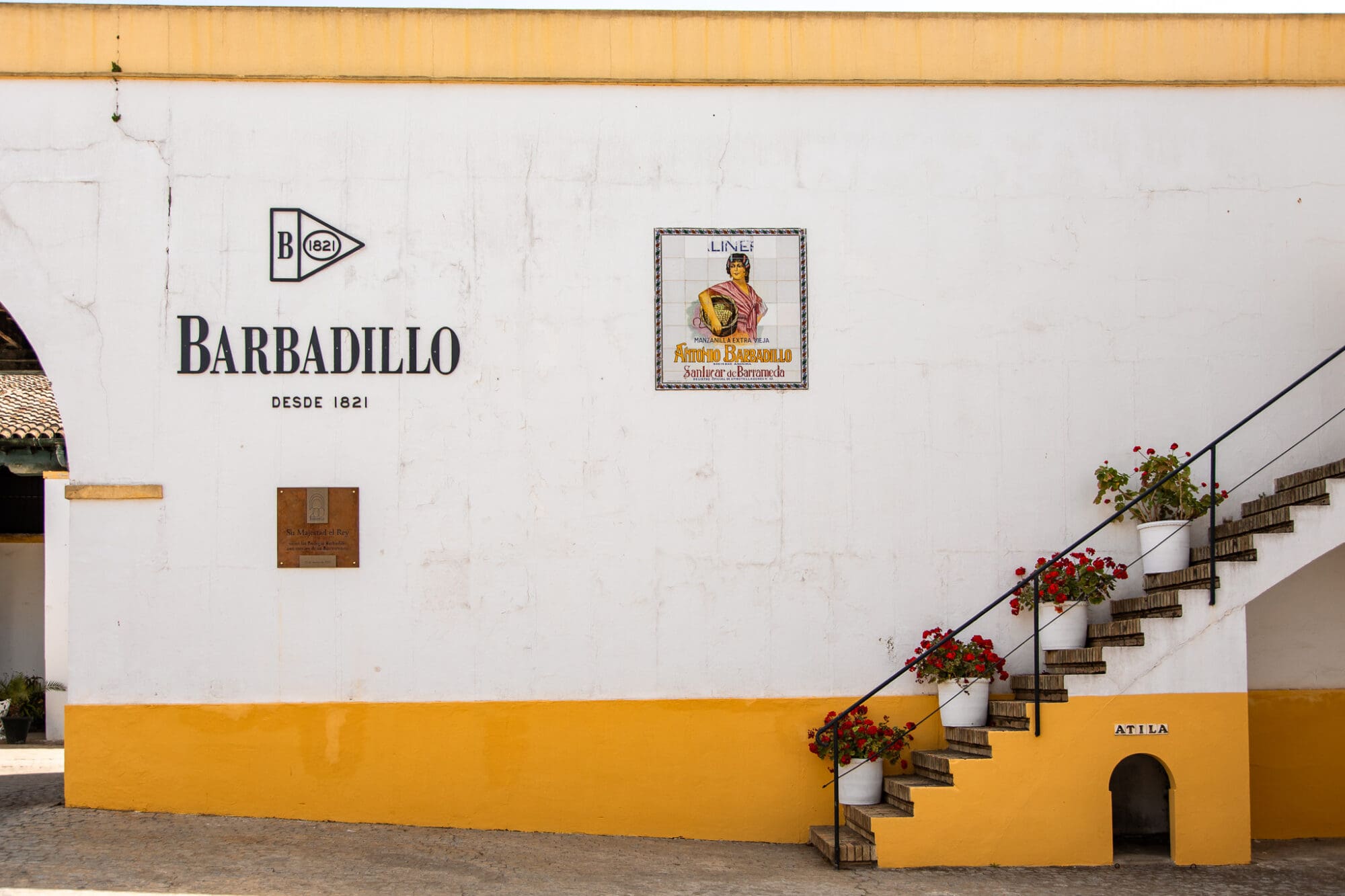
We actually ended up in Andalucia thanks to a wedding in Sanlucar de Barrameda, hosted in the town's iconic Barbadillo bodega. As such, my suggestions below are largely Sanlucar de Barrameda-centric. What I loved about Sanlucar is that it's fairly under the radar with tourists, so felt like a real immersion in an authentic Andalucian town. If you end up visiting either of the other two, I'd love to hear about your experiences in the comments below!
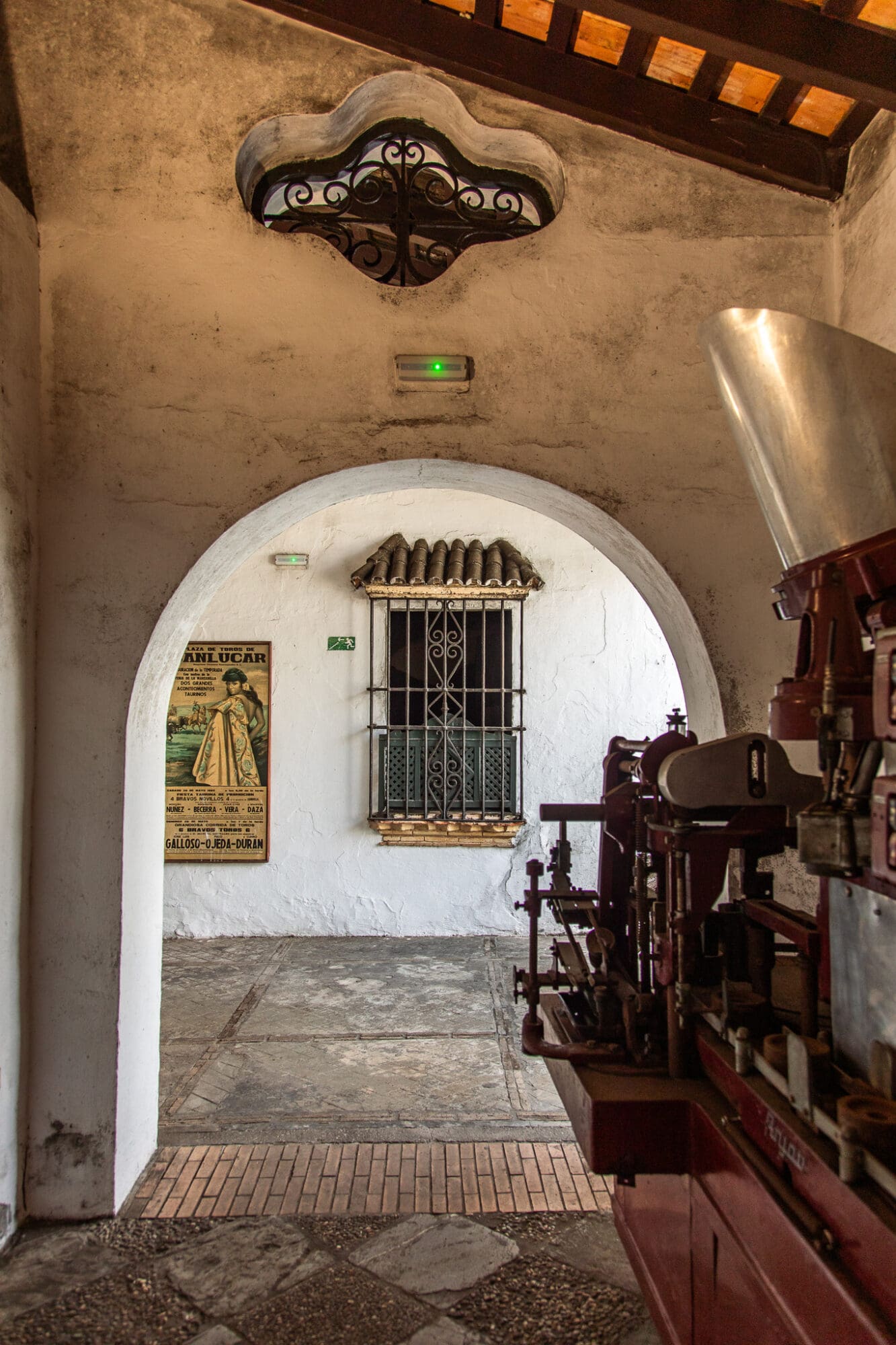
Things to do in the Sherry Triangle
- Visit a Sherry Bodega: When in Rome! We took a guided tour and tasting around the Barbadillo Bodega in Sanlucar de Barrameda (and were lucky enough to experience a wedding reception there the next day!). It's a gorgeous space and a fascinating look inside the process of making sherry, in particular the manzanilla that Barbadillo is famous for. I also discovered a taste for their rebujito, a delicious sherry cocktail drunk at festivals in the region. Other options in the region include the Tio Pepe Bodega and Fundador in Jerez, and the Osborne Bodega in Santa Maria. Just remember to leave yourself some luggage space to bring back a bottle or two!
- Royal Andalusian School of Equestrian Art: If you've ever ended up aimlessly flicking through Olympics coverage when the athletics isn't on, you'll know that dancing horses is a thing. And if you want to see it up close and personal, you can do so at the Royal Andalusian School of Equestrian Art, which hosts "equestrian ballet" shows as well as tours of the facility. The latter includes museums housing equestrian artefacts, and the opportunity to watch the horses being trained.
- See a Flamenco Show: Jerez de la Frontera is considered to be the birthplace of flamenco - so if you're going to catch a show, it's the place to do it! You'll find flamenco shows on offer around many of the city's bars and tavernas, such as the nightly shows at Tabanco el Pasaje.
- Visit Historic Sights: Like the rest of Andalucia, the Sherry Triangle has its own fair share of historic sights. Both Jerez and Sanlucar boast impressive fortresses - the 11th century Alcazar in the former, and the 15th century Castillo de Santiago in the latter.
- Enjoy a Beach Day: The Sherry Triangle is set along the Costa de la Luz, aka Coast of Light, and boasts some pretty impressive coastline. El Puerto de Santa Maria offers some of the best, although I sadly didn't make it myself, so if you have any recs, please do share!
Where to Stay in Sanlucar de Barrameda
- Vrbo Apartment: A sprawling apartment for large groups, decorated in eclectic style and just round the corner from the Barbadillo Bodega. Trust me, the pictures don't do it justice - and the rooftop is ideal for a sunset sherry!
- Hotel Barrameda: A wonderfully central location, modern amenities, and stylish common spaces make this an excellent Sanlucar de Barrameda hotel option.
- Los Helechos: This budget friendly stay centres around a charming courtyard styled in traditional Andalucian style.
- Cisnes Palace: The lavish exterior alone is enough to recommend this stay (in my aesthetics obsessed eyes, at least), but these excellently located modern apartments also come with a rooftop swimming pool.
- Hotel Casa Palacio María Luisa: If you're considering Jerez as your sherry triangle base, this would be my pick. A stunning property with lavish interiors, this is a truly regal Andalucia stay.
Where to Eat in Sanlucar de Barrameda
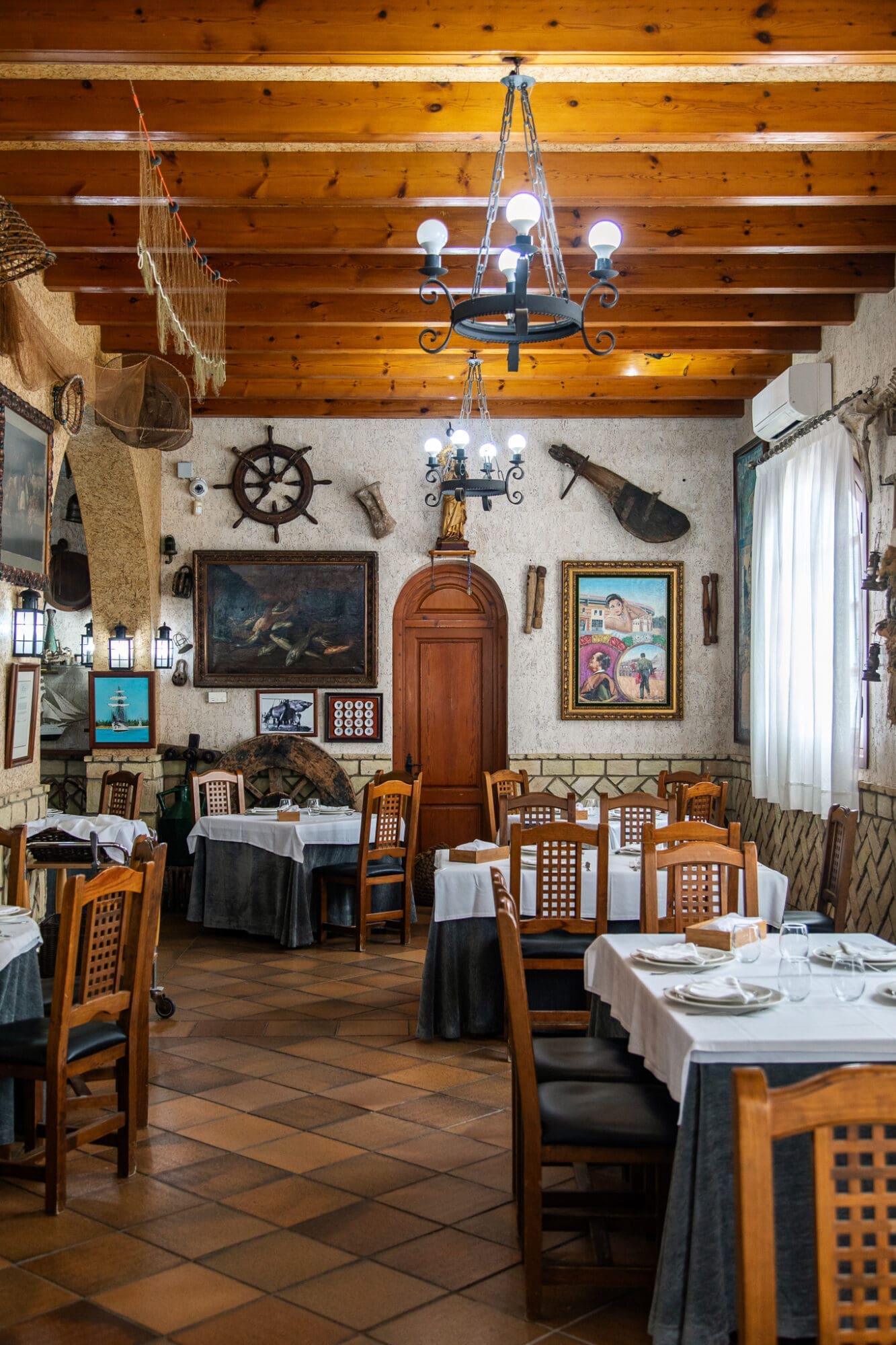
- Restaurante Casa Bigote: A Sanlucar institution (pictured), this is a great spot by the coast to try the town's excellent fish and seafood offering. Reserve in advance to guarantee a spot in the restaurant at peak times.
- Mirador de Doñana: Another popular spot for seafood along the beachfront. I didn't actually get the chance to eat here myself as it was fully booked up for a festival, however a friend told me they had one of the best meals of their life here - so certainly worth checking out!
- Bar La Espuela II: A convivial, no frills canteen with a local vibe, serving up plentiful plates of seafood. The fried baby squid, clams in garlic, and seafood rice are particular standouts.
- El Espejo: A Michelin recognised spot that boasts a refined menu of elevated Spanish staples in a pleasant courtyard setting.
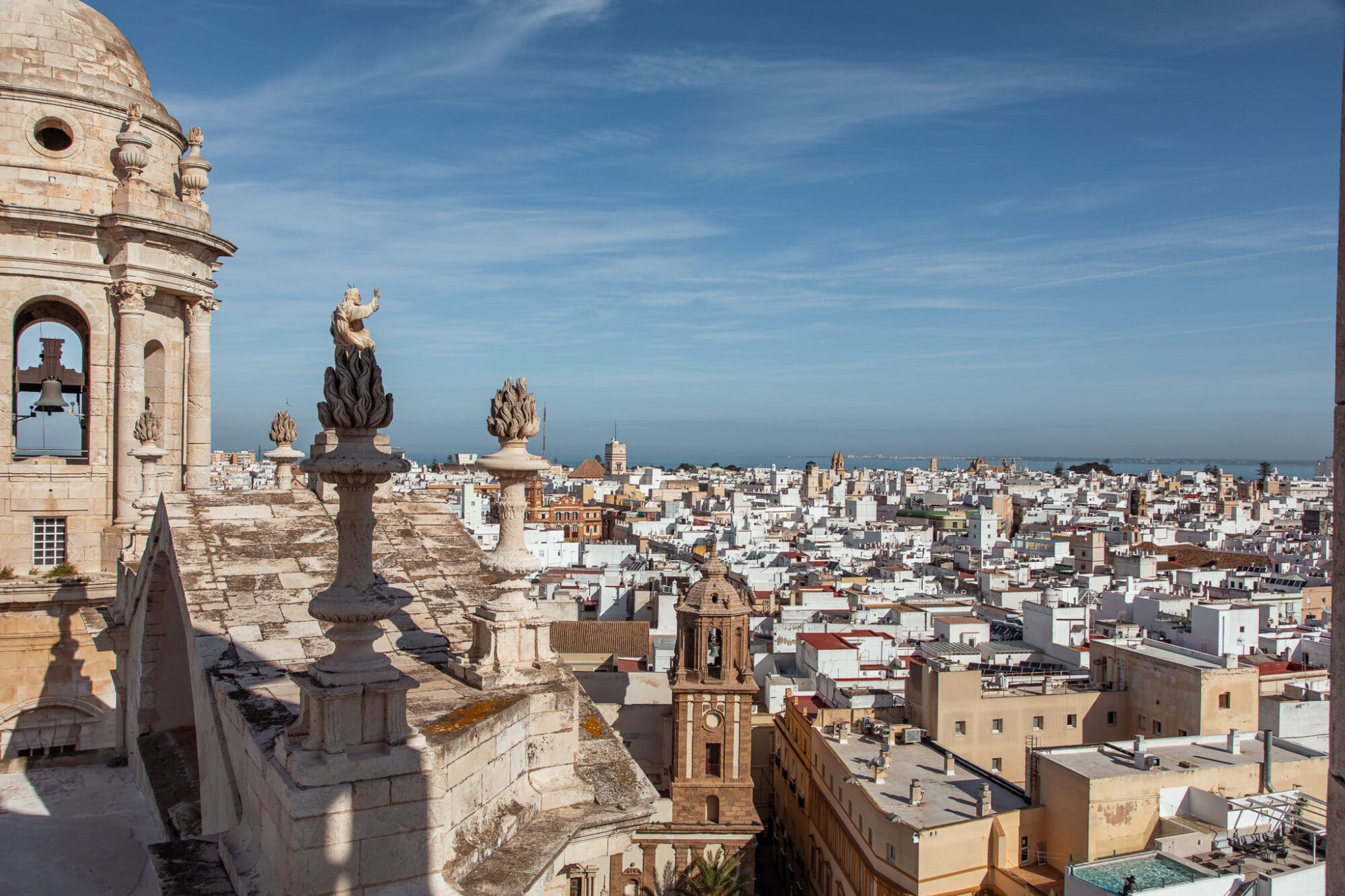
2 Nights: Cadiz
Every town in this region is steeped in rich history, but none more so than the ancient port city of Cadiz. The oldest city in Western Europe (at least that's what the Spanish Tourism Board website claims, and I trust them!), it's historically significant for its blend of architecture styles spanning centuries, and as a commercial shipping hub.
But it's not just one for the history buffs. Its coastal location is prime for beach days, both in town and within day-tripping distance. That iconic James Bond scene where Halle Berry seductively shimmies out of the water in Cuba? Actually shot on Cadiz's very own Playa de la Caleta.
A popular fixture on the cruise ship route, Cadiz is always lively. It's also got plenty of tourist infrastructure - convivial old town squares packed with alfresco diners, and plenty of shopping from cheap and cheerful souvenirs to chic boutiques. It's a real all rounder.
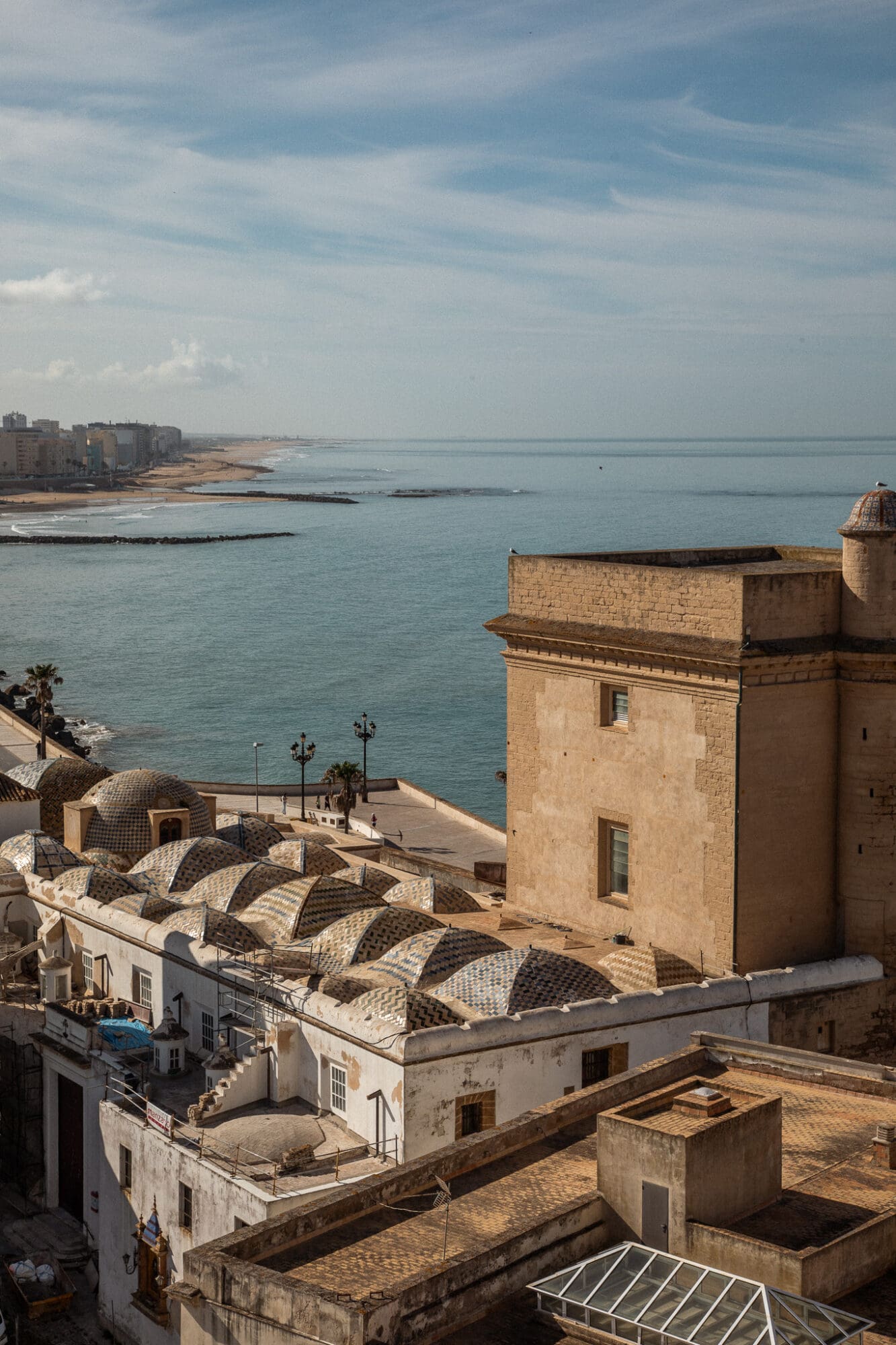
Where to Stay in Cadiz
- Casa Plaza Candelaria: Sometimes finding the right place to stay takes hours of scouring, and sometimes you find "the one" within seconds. Casa Plaza Candelaria took me about 5 seconds of scrolling before I booked. With high ceilings, chandeliers, and a sprawling space, this three bedroom apartment is a truly unusual Cadiz stay, and a great option for groups.
- Áurea Casa Palacio Sagasta: This baroque palace once served as the British Embassy, and is now a beautifully kitted out hotel complete with wellness area and pool.
- Hotel Argantonio: A lovely budget/mid-range option with Arabic influences throughout, showcasing the blend of design influences that shape the region.
- Hotel Casa de las Cuatro Torres: A mix of rooms and apartments at this charming hotel, and you might even get lucky with a seafront view.
- Casa Canovas Boutique Hotel: A decidedly sexy boutique stay, all black, marble, chandeliers and roll-top baths - this is definitely one for the romantic couples getaway.
- Boutique Hotel OLOM: A thoroughly modern stay by Cadiz standards, boasting what surely must be the best rooftop pool view in the city, looking straight out over the neighbouring cathedral.
- Casa la Siesta: Okay technically this one is an hour's drive outside Cadiz, but it's so beautiful I'm sure you'll forgive me! This lovely country house offers a rural setting, stunning grounds, and charmingly rustic farmhouse aesthetics. Ooh, and a gorgeous pool. Sold yet?
Things to do in Cadiz
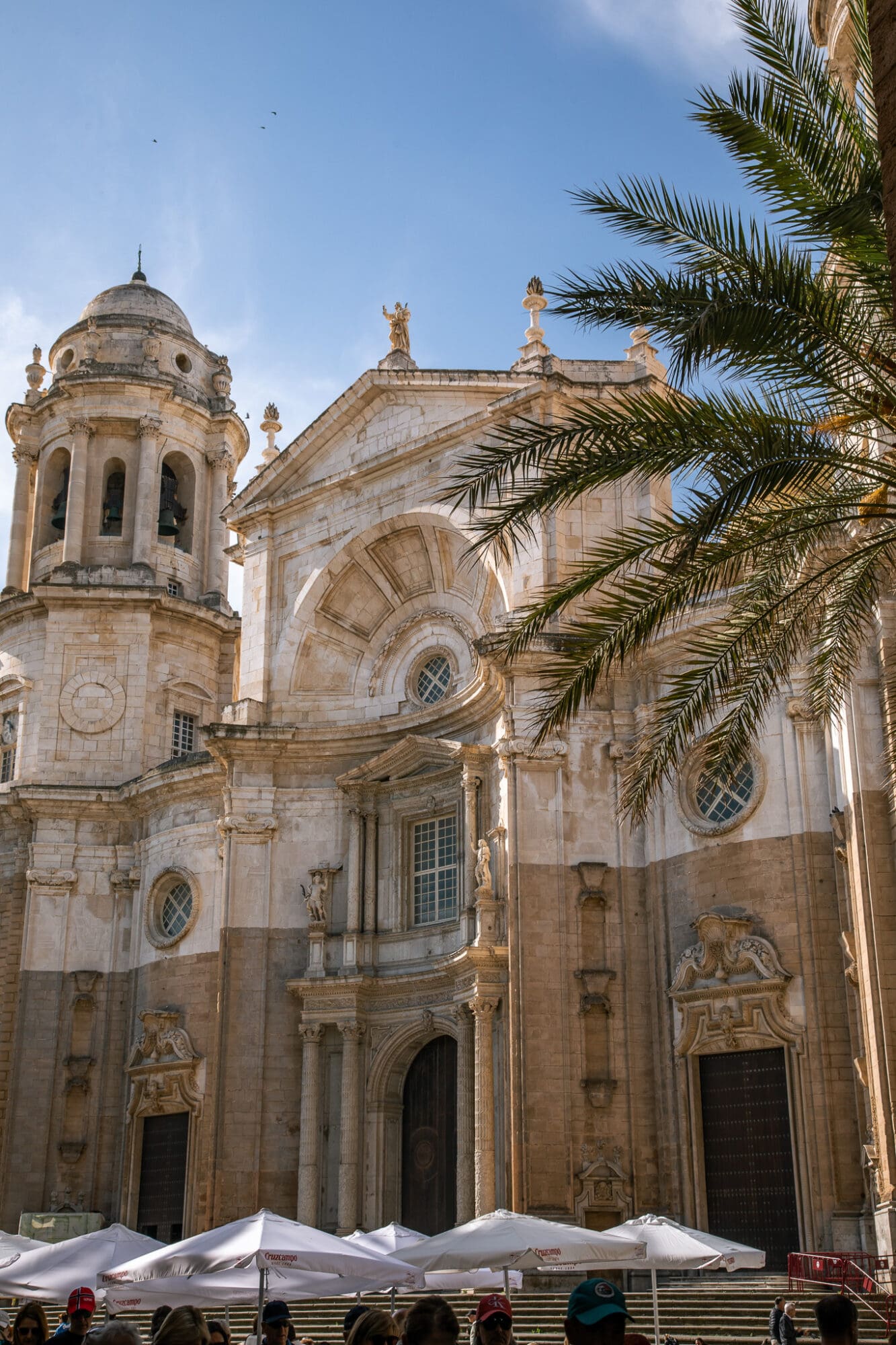
- Cadiz Cathedral: The bustling heart of Cadiz, the striking cathedral is hard to miss. Construction took over a century and the building took on a blend of architectural styles over that period, from Baroque to Neoclassical. It's a vast, beautifully decorated space, and tickets also include access to the clocktower, which offers some of the best views out over the city. It's a steep, sloped climb, so wear sensible shoes!
- Playa de la Caleta: Recreate your own Halle Berry moment at Cadiz's main beach. Flanked by ancient fortresses from it's historic past, the setting itself makes for a particularly picturesque beach day.
- Cadiz Museum: Delve into Cadiz's storied past at the city's museum, which traces it's genealogy through ancient artefacts from Phoenician and Roman civilisations. The museum also hosts a collection of 19th and 20th century fine art, and puts on occasional temporary exhibitions.
- Yacimiento Arqueológico Gadir: A free underground archeological site showcasing the remains of the ancient Phoenician civilisation that first called Cadiz home.
- Mercado Central de Abastos de Cádiz: shop like a local at this atmospheric central market, where you can pick up fresh produce from fruit and veg to seafood. There's also some tapas and street food style stalls and restaurants in the vicinity if you're looking for an immediate bite to eat.
- Explore the old town: Honestly, though it has sights, the best thing to do in Cadiz is just wander the old town streets. Every corner offers some new discovery - ancient ruins, Moorish architecture, a pleasant plaza or park, and boutique shopping. And exploring is all part of the fun!
Where to Eat in Cadiz
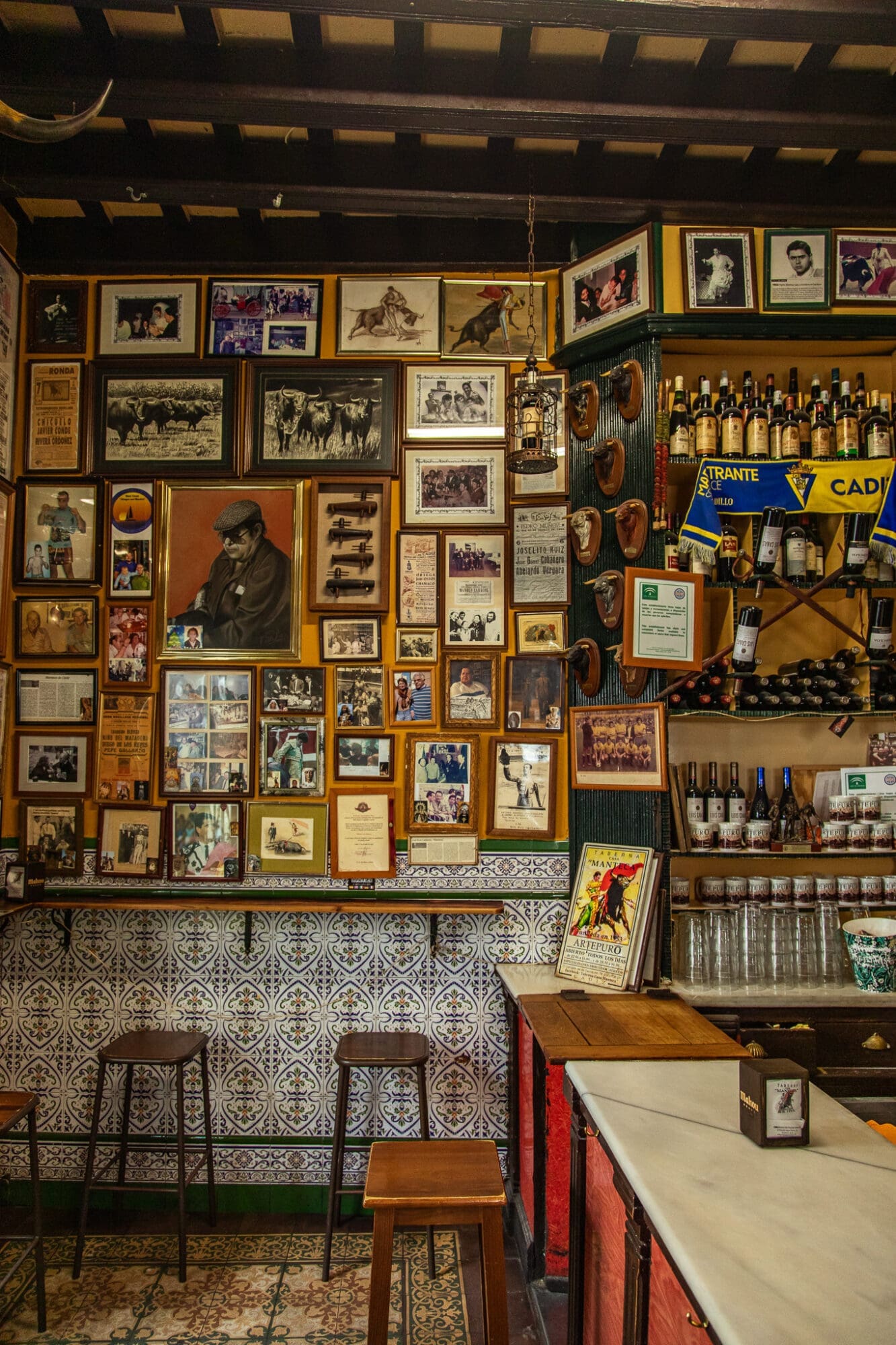
- Taberna Casa Manteca: An iconic Cadiz institution (pictured), this classic Andalucian bar is packed with bullfighting memorabilia and a traditional tapas menu. It may be hard to snag a seat, but that's all part of the experience.
- Casa Lazo: A homely, simple restaurant in an unassuming Cadiz back street, with a focus on fish. Staff are lovely, and the tuna tataki was one of my best dishes of the whole trip. A Cadiz must.
- Código de Barra: Getting bored of tapas? Thankfully Cadiz's dining scene contains multitudes, including this chic Michelin-starred dining spot. The menu is designed to explore the culinary tradition and history of the region, all done in star-worthy style.
- Contreseña: The little sister to Código de Barra, another Michelin guide mentioned spot that does a tasting menu for a very reasonable 45 euros - with an added wine pairing for a further 40.
3 Nights: Ronda
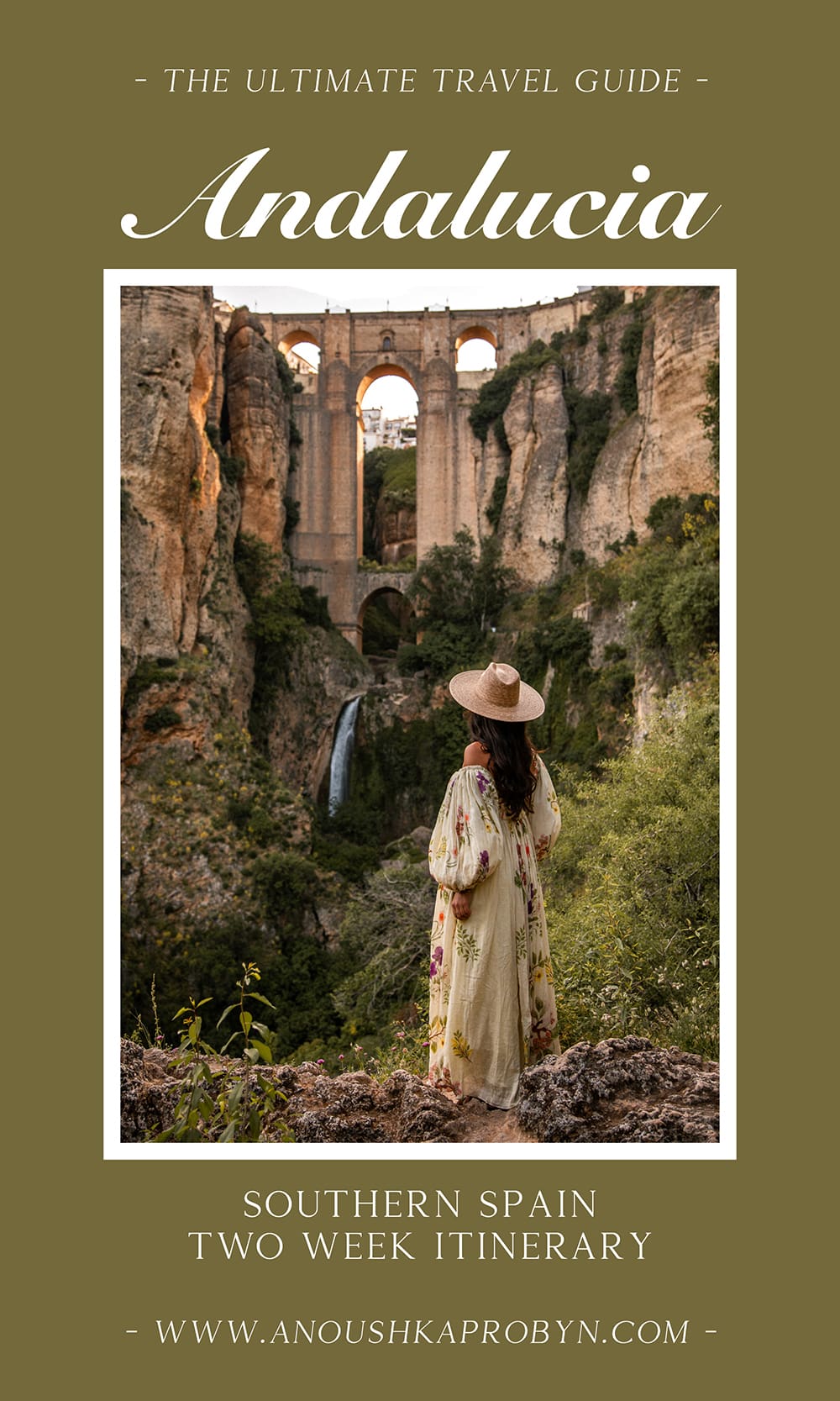
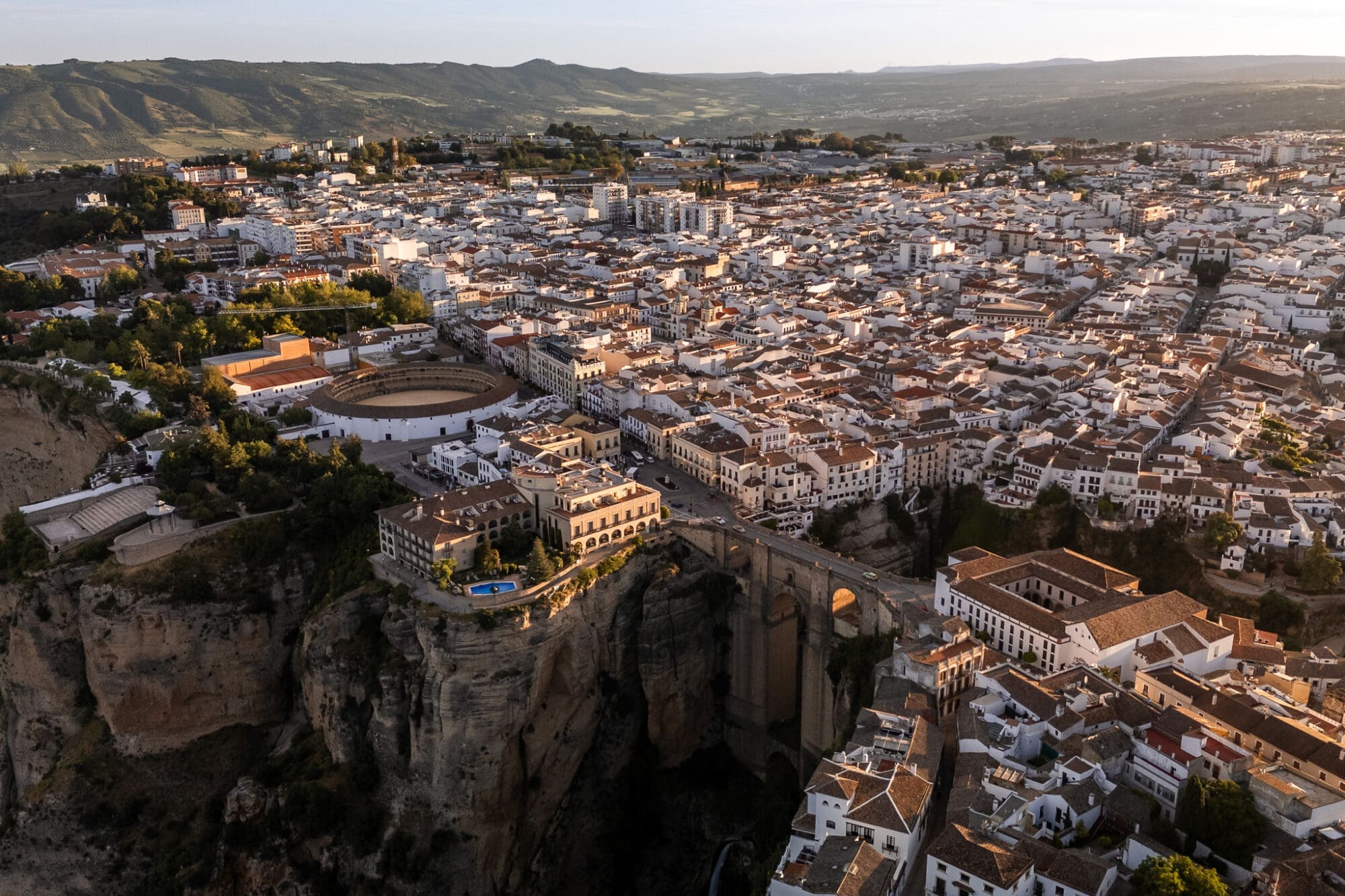
Out of everywhere on our agenda, Ronda was probably the place I was most excited about. In fact, it was photos of the historic Puente Nuevo bridge, spanning the El Tajo gorge, that had initially inspired us to embark on an Andalucia road trip in the first place. This iconic sight is the very heart of Ronda, however there's plenty more to the city, and surrounding region.
Ronda makes for a great inland base, located as it is between stunning mountain ranges. Whilst I've allocated three nights, I'd recommend hiking and adventure enthusiasts consider a couple of extra nights, as there's plenty of hiking and activities to embark upon. It's also well placed for exploring the region's "Pueblos Blancos", aka White Towns, which are a must on any Andalucia itinerary (but more on that later).
When you're back from exploring, there's plenty of restaurants to try, cosy tapas bars to hunker up in, and charming old town streets to explore. It's an idyllic Andalucia experience.
Where to Stay in Ronda
- Hotel Palacio de Hemingway: Despite being named after Hemingway, this traditional Ronda hotel is actually the former home of Spanish poet Pedro Pérez Clotet. Mere yards from the Ronda bridge, the location is as good as it gets.
- Casa Palacio VillaZambra: This character-filled stay is packed with charm, however the real draw is those views of the bridge and surrounding valley.
- La Colegiata De Ronda: For those who prefer the independence of an apartment stay, these are well located with plenty of Ronda's historic charm on display throughout.
- Catalonia Ronda: The location of this stylish city centre hotel could not be more ideal, overlooking the bullring (best enjoyed from the rooftop bar or pool) and a short walk to the bridge.
- Hotel Boutique Palacio De La Duquesa: A gorgeous old property with contemporary interiors, kitted out with a pool for lazy afternoons. Set on the edge of town, it's a quieter spot away from the bustle.
- Hotel Boutique Palacio del Moral: If you'd rather stay away from the crowds of central Ronda, this stylish resort boasts a rather lovely pool for chilling after a busy day of sightseeing.
- Villa Rural La Condesa: Another out of town option, with plenty of quirky flair in a rustic country house setting. Book the entire 8 bed villa for the ultimate holiday pad with friends or family.
Things to do in Ronda
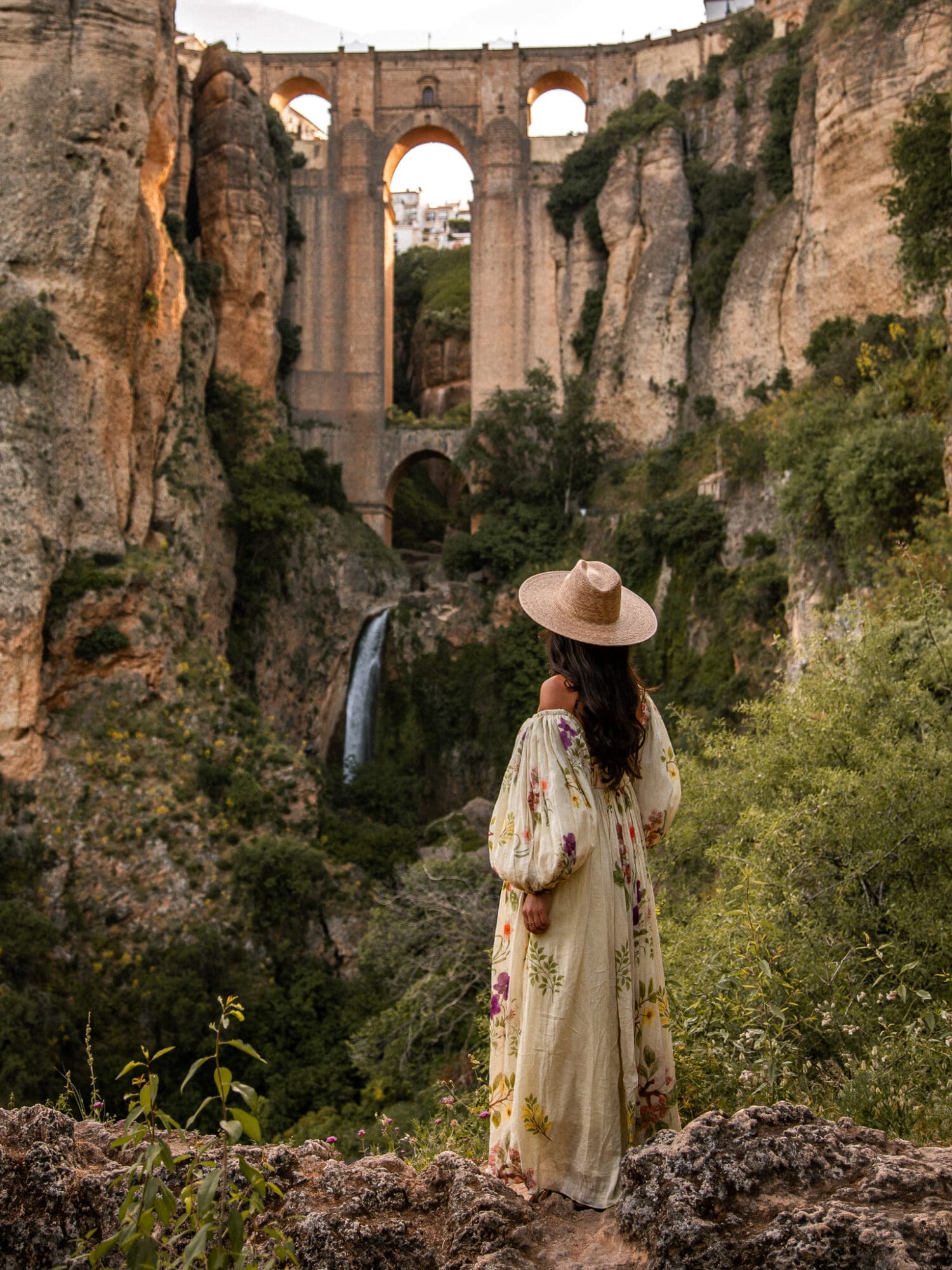
- See the Puente Nuevo Bridge: Kind of a hard one to miss really, but you can't come to Ronda and not see it's iconic bridge! You can walk across it, but to see the bridge itself there are also plenty of viewing spots. My personal pick would be Mirador de Cuenca, which is fairly quiet in the early mornings before the tour buses arrive.
- Explore the El Tajo Gorge: If you're up for a bit of a hike, you can wander the paths that line the gorge itself, offering more views out over the bridge and valleys beyond. There's a free trail taking you from the bottom of the gorge up to Plaza de Maria Auxiliadora. Alternatively, there's now a ticketed walkway half way up (or down, if you're coming from the town), which costs 5 Euros at time of writing.
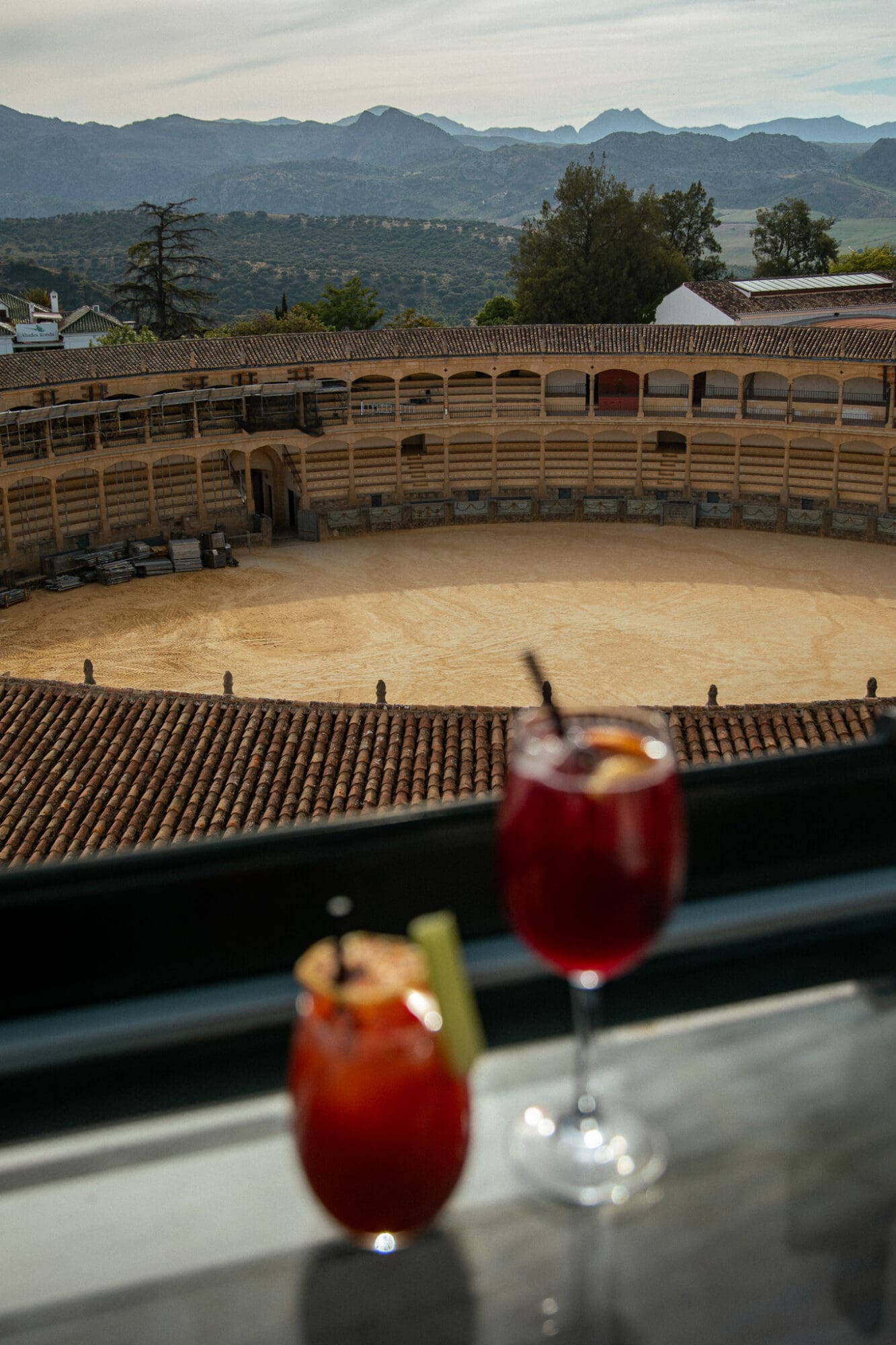
- Drinks at Catalonia Hotel: Grab a golden hour drink at the rooftop bar of Hotel Catalonia, overlooking the bullring below (pictured). Admittedly, our cocktails were rather lacklustre (maybe stick to wine?), but the views and people watching more than made up for it.
- Visit the Bullring: Ronda's 18th century bullring is one of the most historic and famous in the country, though these days primarily serves as a museum. I wont get into the ethics of bullfighting here and now, but if you are interested in visiting it's open daily from 10am, with standard tickets coming in at 9 euros.
- Museo Lara: A weird and wonderful museum filled with an eclectic array of antiques and artefacts relating to all sorts of subjects, from weapons to witchcraft. The private collection of what is clearly a very eccentric collector, set in a beautiful casa palacio.
Where to Eat in Ronda
- La Piconera: A seemingly endless choice of paella, from seafood to artichoke, had us making an immediate beeline for La Piconera. The tuna dishes were also a standout - try red tuna tacos, or spicy tuna tartare.
- El Lechuguita: Every town and city in Andalucia has at least one fabulously rustic, traditional tapas bar, and in Ronda, it's this. A popular spot so you may have to queue.
- Bar Siempre Igual: Another authentic, lively tapas spot with a great menu of classic Spanish tapas treats.
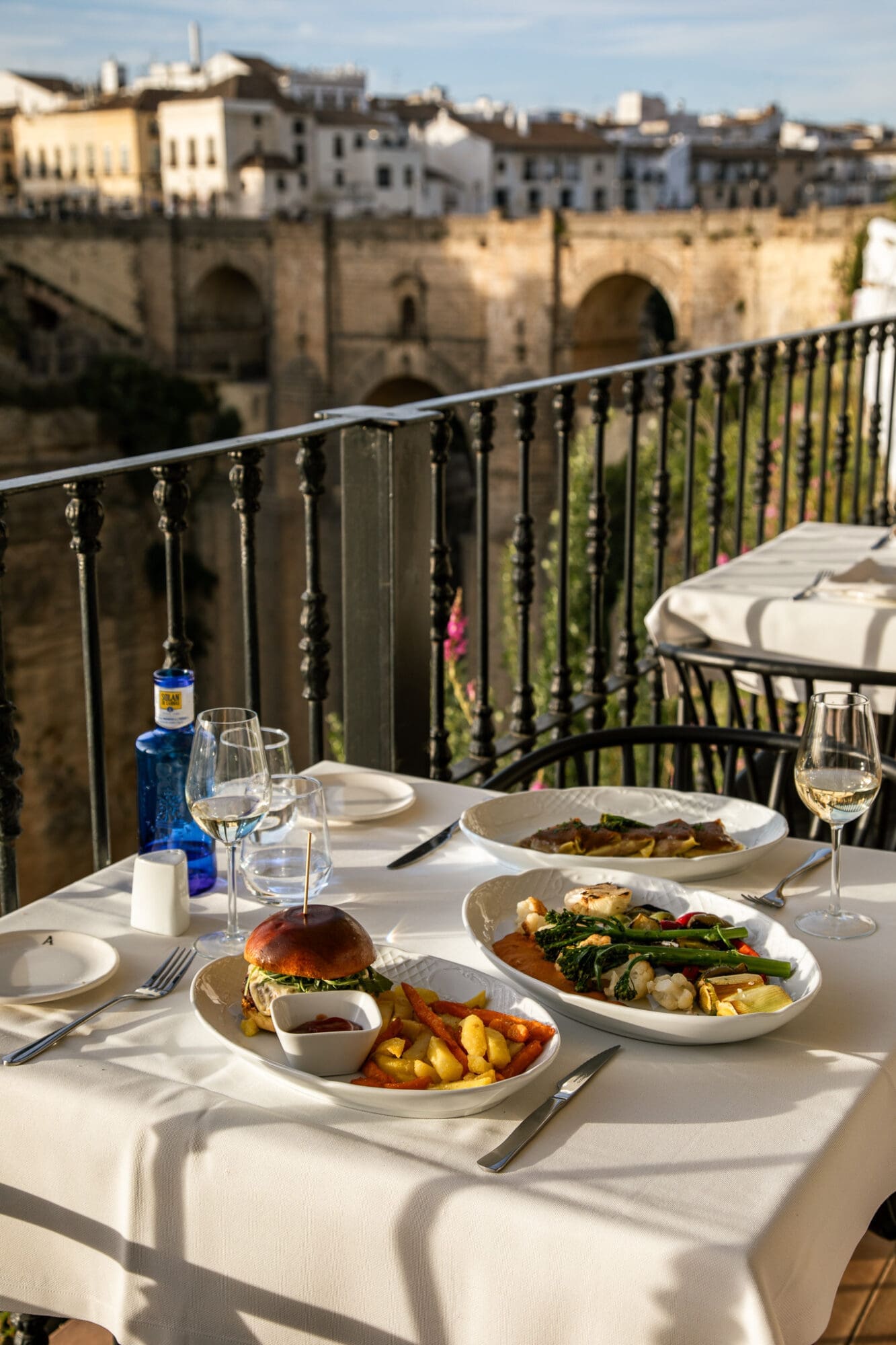
- Arrabal: The best restaurant for a view of the Ronda bridge, and refreshingly, not at the expense of the food. Great for a special occasion, ideally timed to watch the sun set and the sky turn pink across the valley beyond.
- Bar Pelistre: Set in a rural burb of Ronda, this was actually our local during our time in the city. It's a great one for meat lovers, serving up substantial portions of prime beef and pork cuts. The chuleton is a feast!
Los Pueblos Blancos - The White Towns of Andalucia
Though one could probably quite happily while away three nights solely in Ronda, we used it as a base from which to make day trips around Andalucia's striking white towns, known as the Pueblos Blancos. Dotted amidst the valleys and hills of the Cadiz and Malaga regions, there are dozens of these small towns and villages across the countryside. You could arguably do a whole trip dedicated to making your way around them all, however we chose to visit 3 particularly unique ones:
Olvera
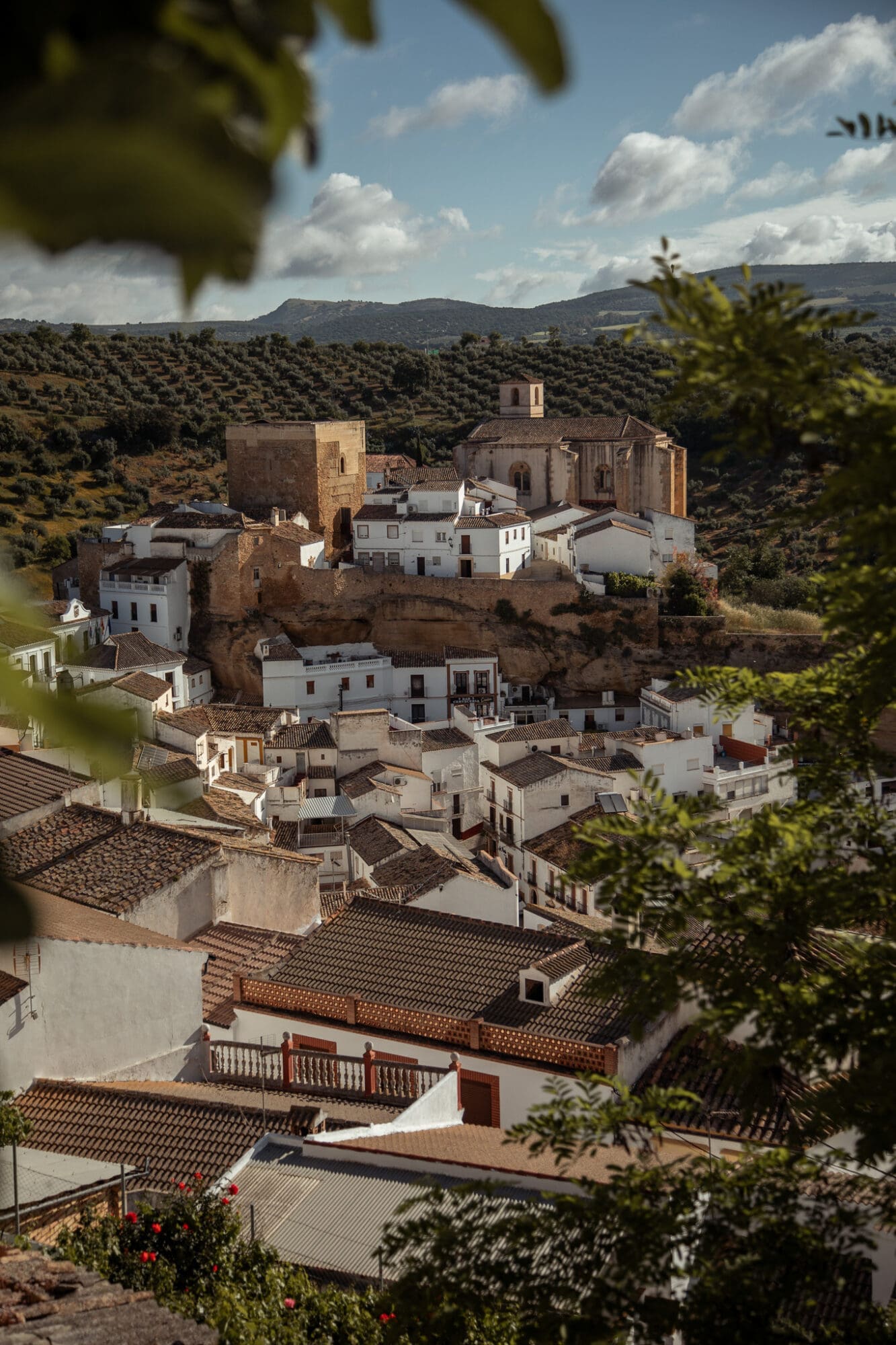
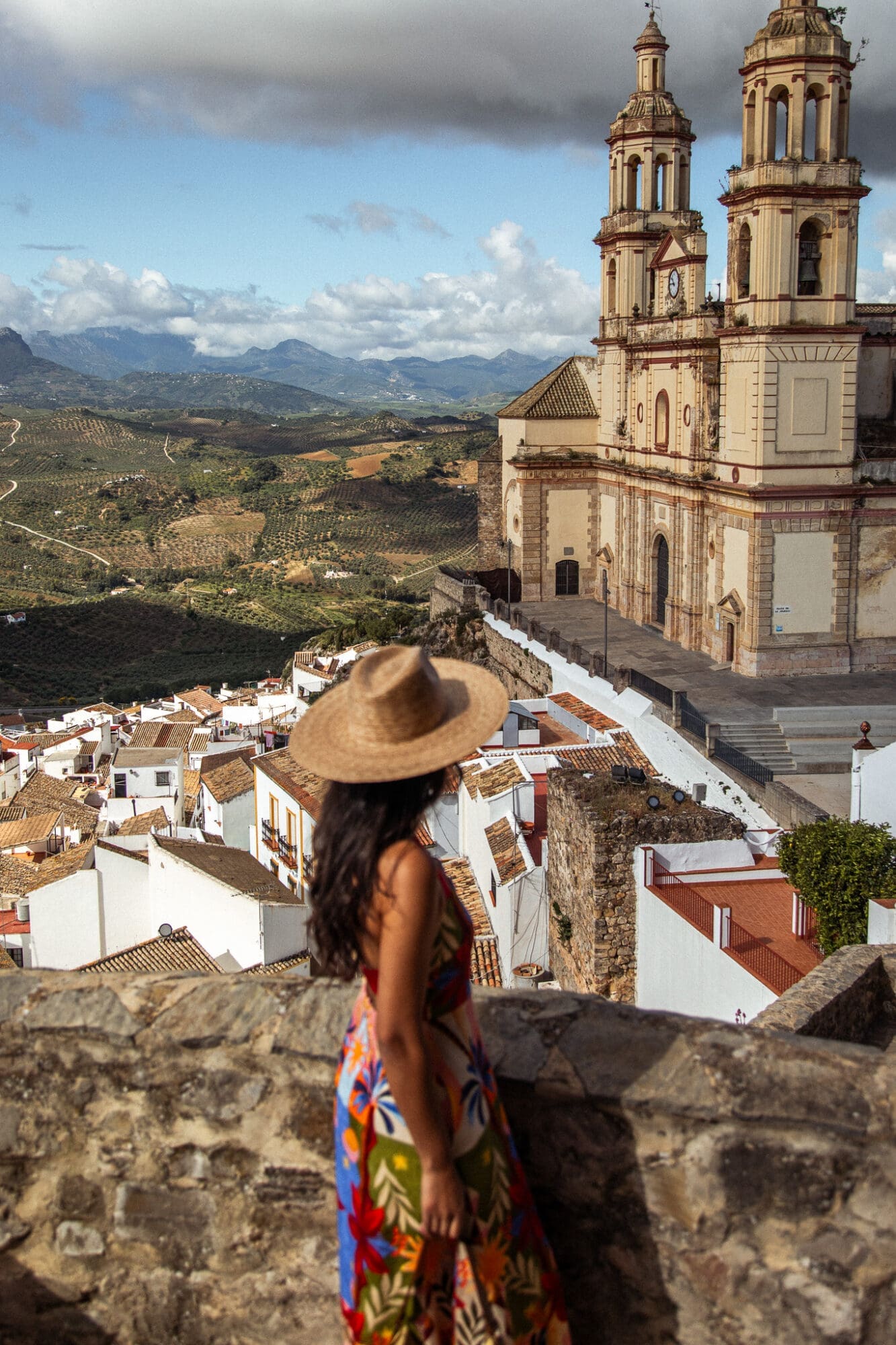
You'll likely spot the dramatic silhouette of Olvera well before you reach the town itself, perched dramatically atop a hill visible for miles around. At its peak are the Nuestra Señora de la Encarnación church (pictured), overlooked by the 12th century Moorish castle and museum. The latter is interesting enough, but its real draw is the view out over the church and surrounding landscapes. Olvera is one of the less touristed Pueblos Blancos, making a peaceful change of pace from some of its livelier neighbours. Also for the drivers: this free parking spot is just a short walk to the church and castle.
Setenil da las Bodegas
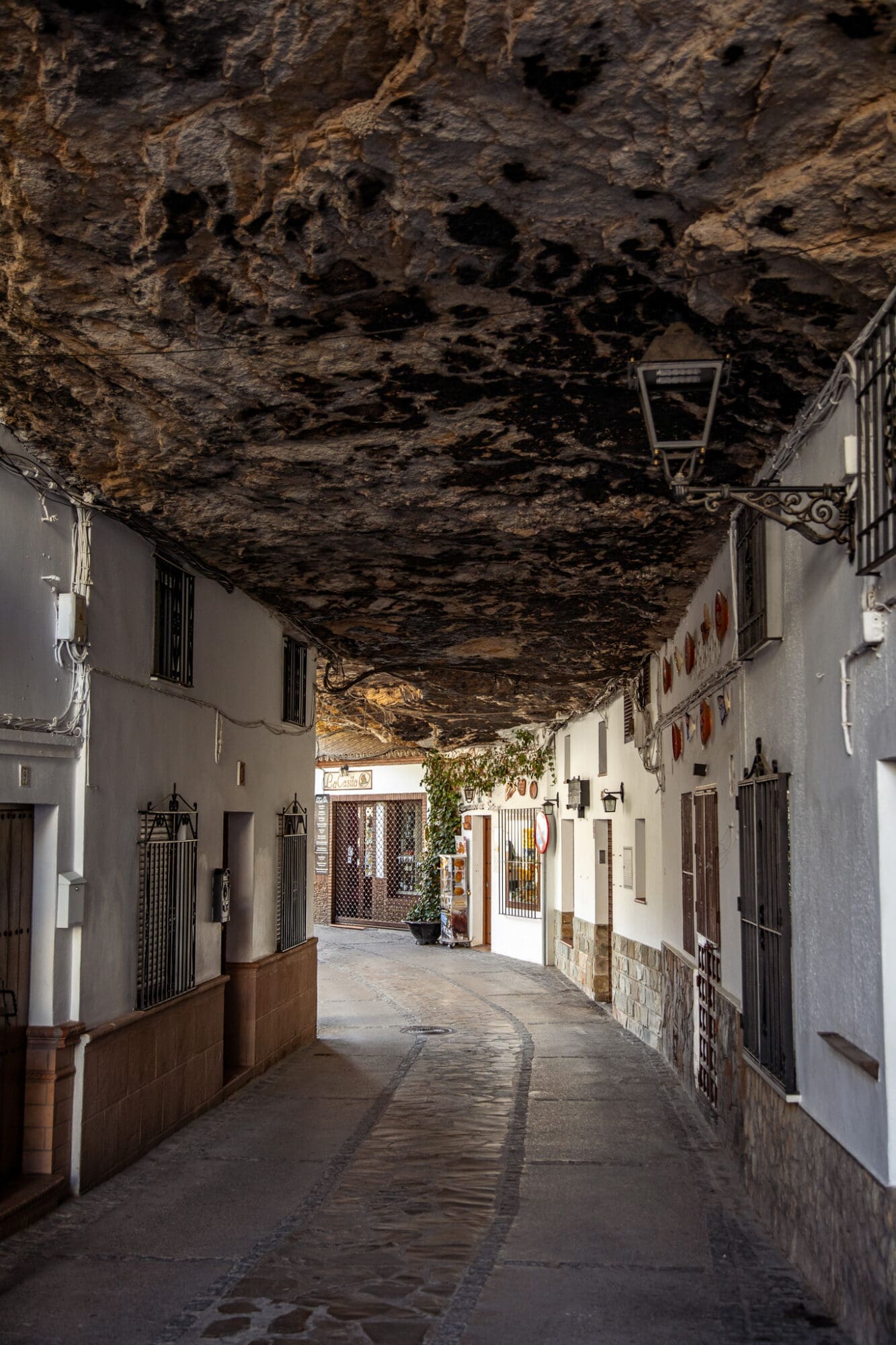
This is probably the region's most famous white town, for a very remarkable reason. This historic town is built into the surrounding rocks, with shops, restaurants, and homes nestled under vast boulders to create a cave-like experience. There's a Moorish castle, a couple of churches, but you're really here to wander the streets and marvel at the unique scenery. The most spectacular spots are along the Rio Trejo - head to Cuevas de la Sombra and the opposite bank, where you'll find many of the towns souvenir shops and cafes. Within the heart of the town, swing by Calle Herreria, one of the oldest streets in the town.
Zahara de la Sierra
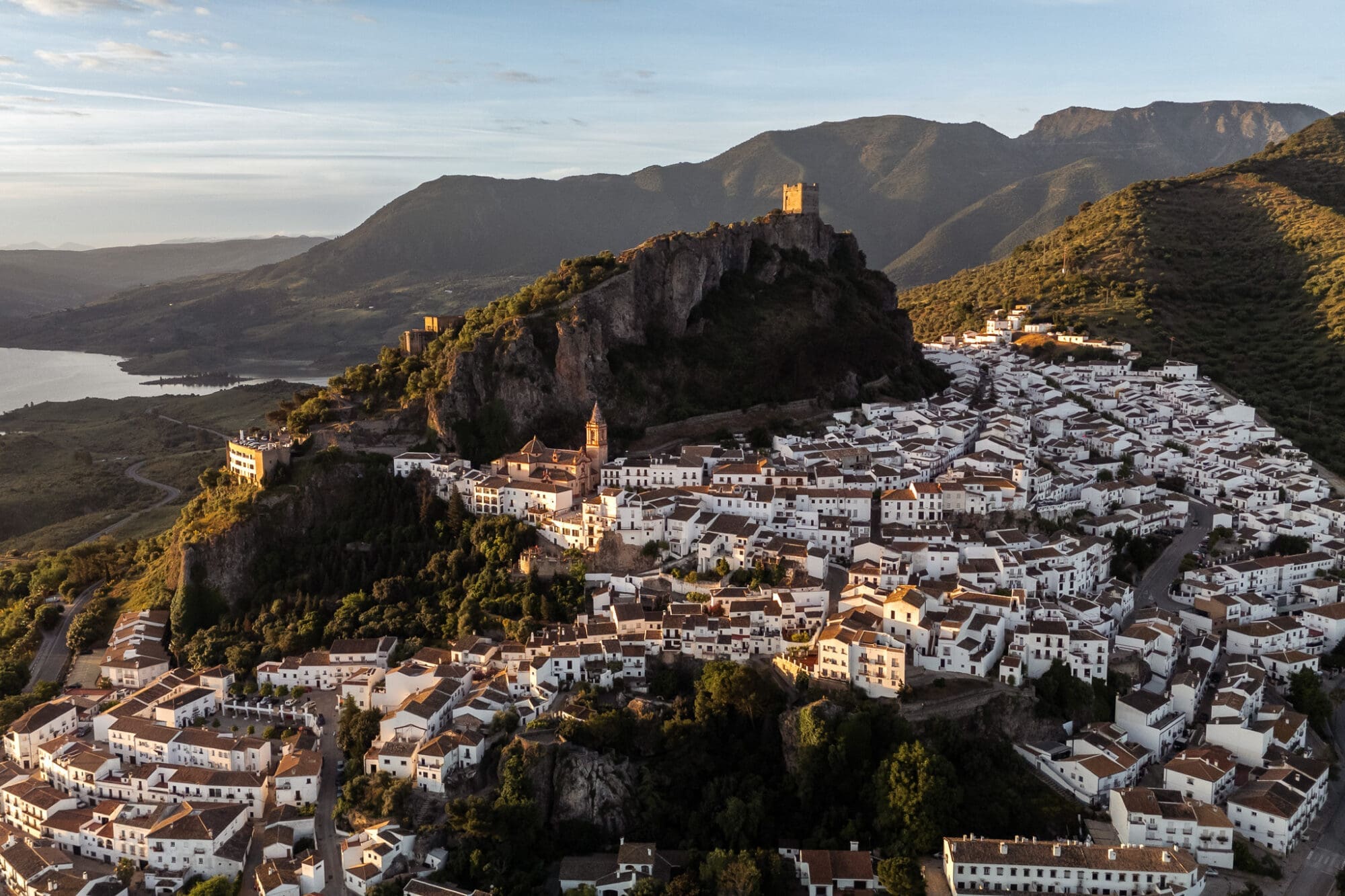
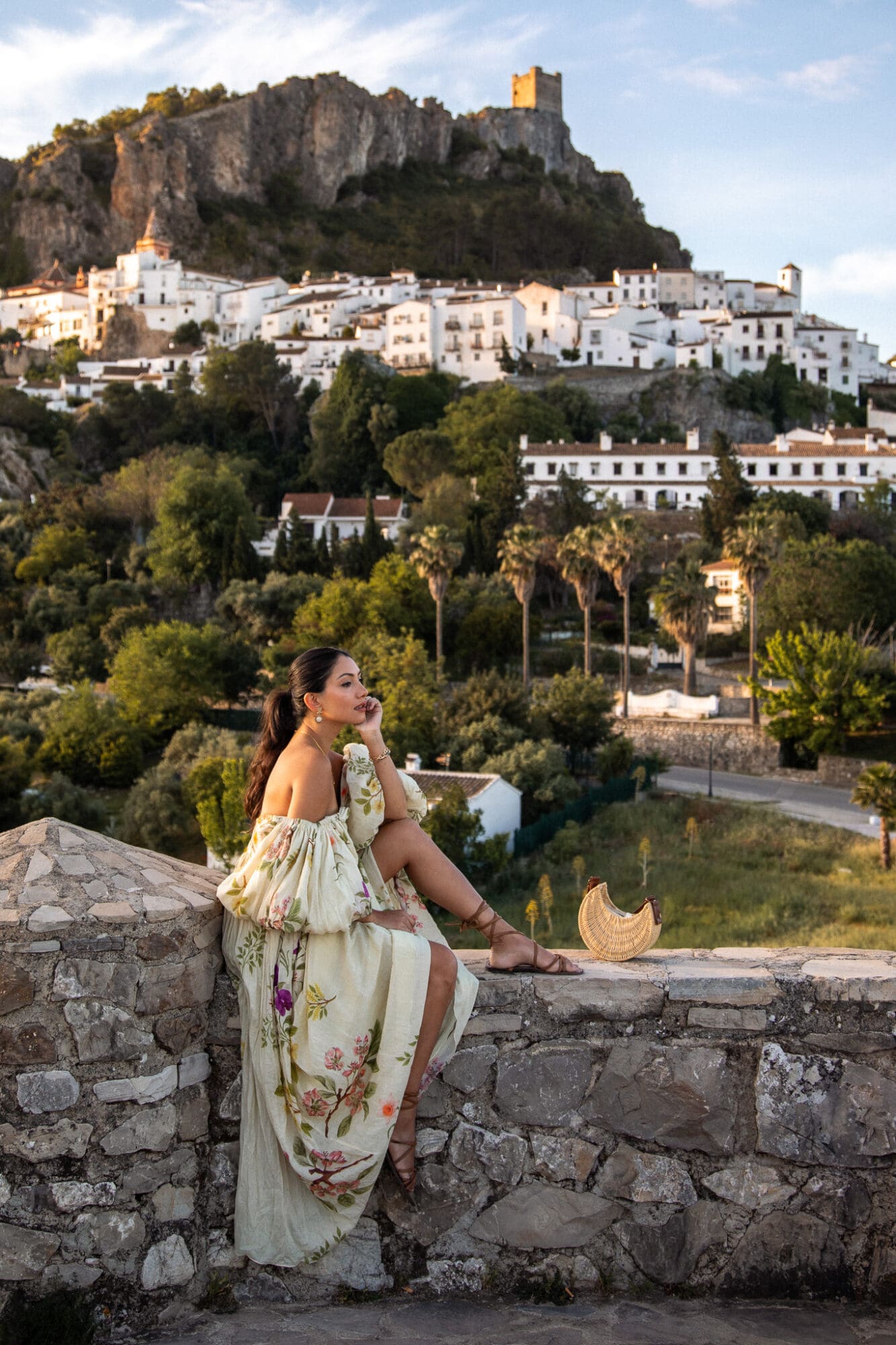
Whilst Zahara de la Sierra itself is charming, the real draw to this Pueblo Blanco is the location. Surrounded by mountain peaks, with a dramatic lake at it's base, it's one of the most awe-inspiring landscapes in the region. It's also a great location for adventure travellers, with plenty of hiking trails and even an area for swimming and watersports in the summer. If you fancy the climb (can't say that I did!), hike up to the castle for views over the surrounding valley. There's not masses in the way of restaurants, but Meson Onate looks like a lovely spot (it was closed when we visited, so report back if you go!).
2 Nights: Granada
We ended up doing this itinerary a little out of order than originally planned due to work commitments, therefore Granada actually ended up being our final stop. At this point, we'd been on the road for quite some time. We'd seen a lot of Moorish architecture, eaten a lot of tapas. And yet, Granada still managed to enchant.
It's a stalwart on any Andalucia itinerary for one very major, flagship sight - the Alhambra. The historic UNESCO World Heritage Sight is a sprawling, awe-inspiring complex of palaces, forts, and lavish gardens. One of the most important ancient Islamic sights in the world, the Alhambra is not to be missed.
However, Granada is also so much more besides. All Andalucia's myriad charms can be found in ample supply in Granada. It has heaps of that laidback charisma that is very much a trademark of Andalucian cities. There is great dining and plenty of pleasant old town streets to get lost amongst, all set against a dramatic mountain backdrop.
Where to Stay in Granada
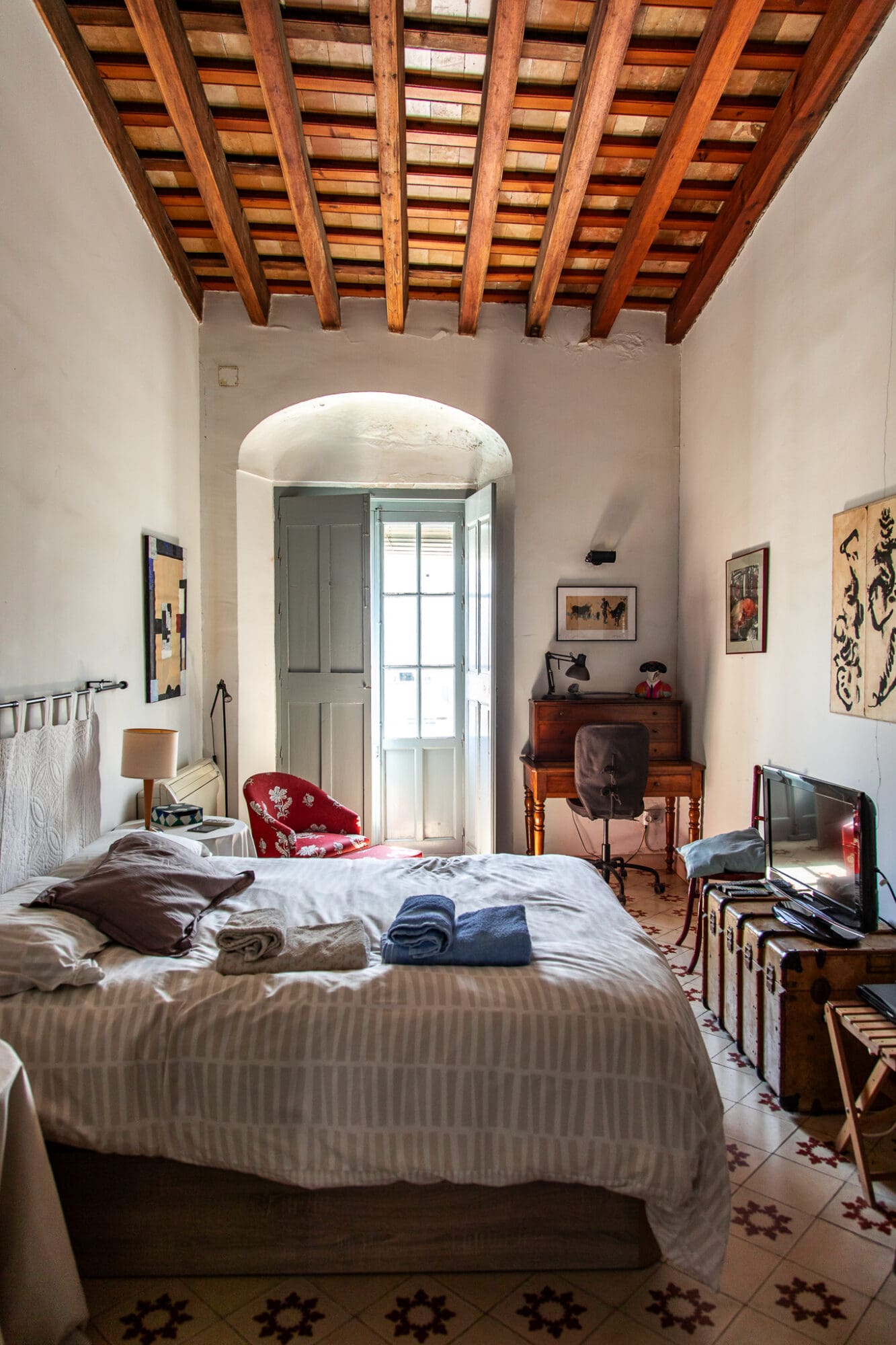
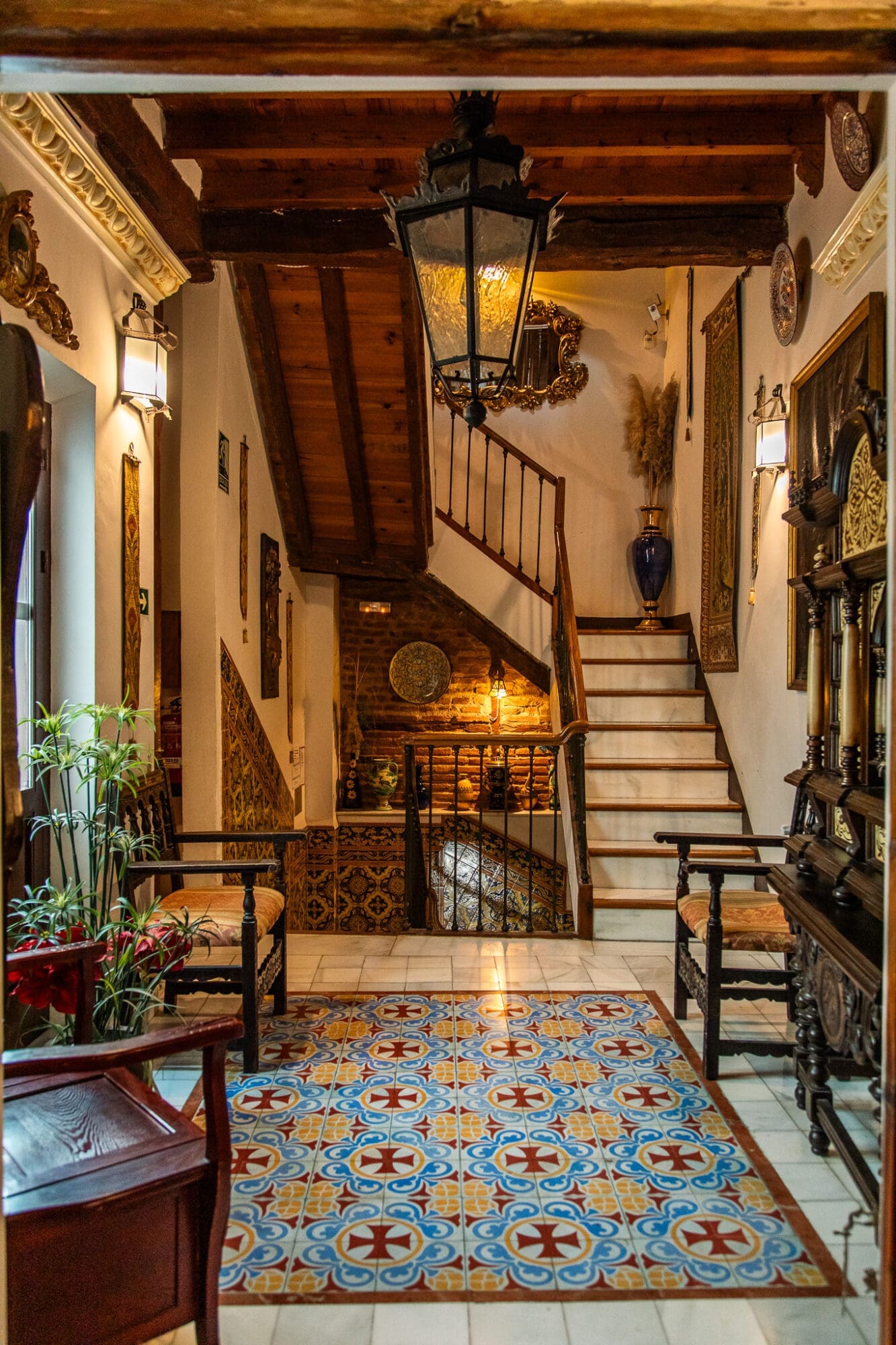
- Pension Alfin: Our pick of the bunch was this character-filled historic hotel perfectly located for an early morning wander up to the Alhambra. Filled with all sorts of weird and wonderful treasures (and the odd somewhat dubious art), it's a very Granada stay.
- Seda Club Hotel: A chic, boutique luxury stay with the Small Luxury Hotels stamp of approval. Home to a beautiful outdoor terrace, and can we take a moment for that mosaic pool?
- Casa del Capitel Nazarí: Budget friendly, and in a 16th-century palace? Simply decked out in traditional style, this is a classically Granada hotel stay in a great location.
- Abadia Hotel: A budget stay but still with plenty of character, set in a restored 16th-century building around a charming central courtyard.
- Hotel Casa 1800 Granada: Chandeliers? Check. Alhambra views? Check. Bougie draped four poster beds? Check. Honestly, I want to plan another Granada trip solely so I can stay here!
- Casa Bombo: A simple stay in the Albaicín neighbourhood, but the real draw here is those Alhambra views.
- Gran Hotel Claridge Granada: This luxury hotel has possibly the best roof terrace in town, overlooked by the lavish spires of Granada Cathedral. Plus, it's part of the Preferred Hotels & Resorts curation, so you know you're in for a treat.
- Alhambra Palace Hotel: If you told me this lavishly decked out hotel at the foot of the Alhambra was in Morocco, I would absolutely believe you. A truly palatial stay, brimming with intricate Moorish architectural details.
Things to do in Granada
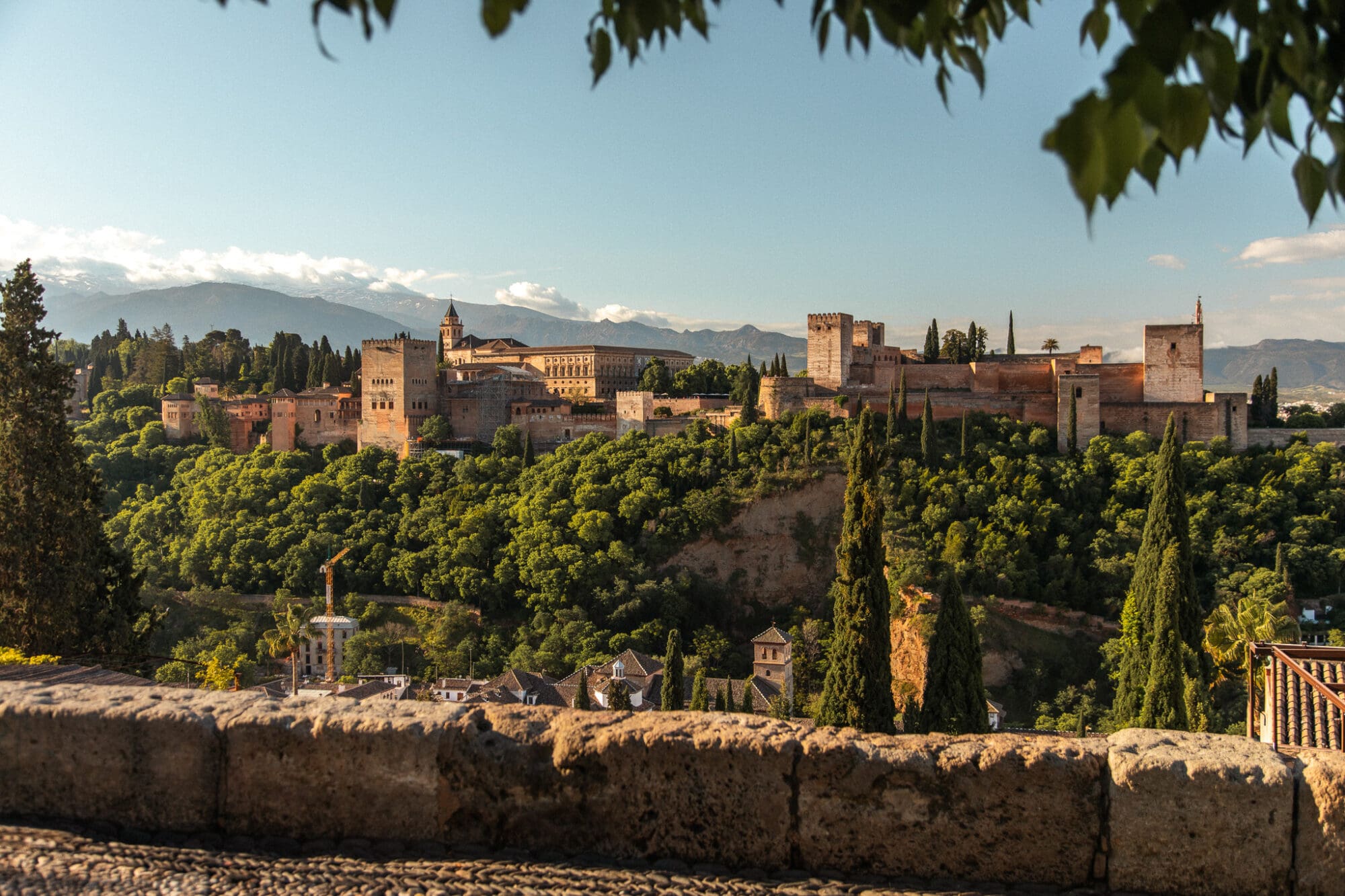
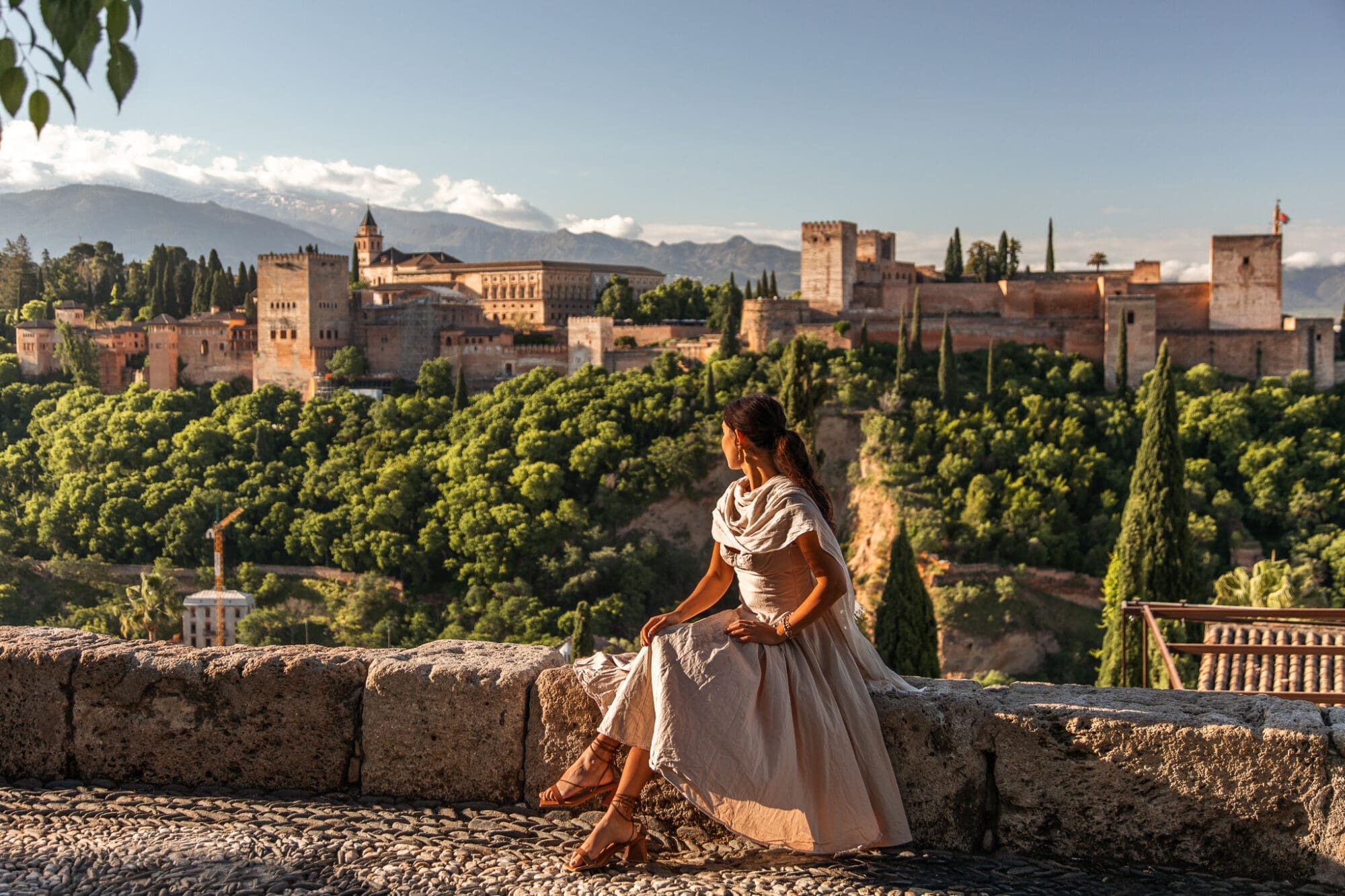
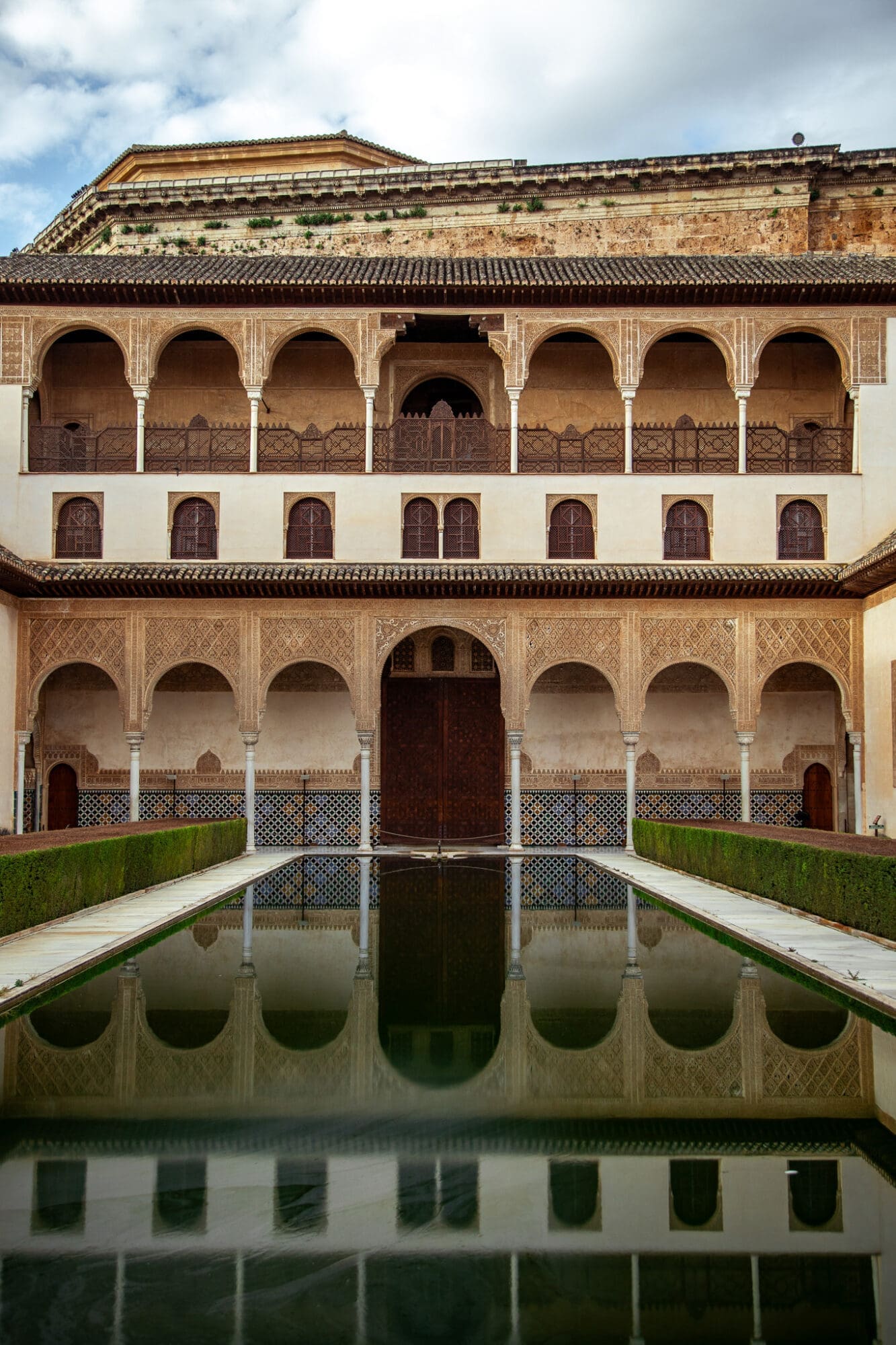
- Visit the Alhambra: If you're in Granada, it's probably (primarily) to see the city's famous Alhambra. The 13th century palace and fort complex in the Moorish style looms imposingly over the city against a backdrop of the Sierra Nevada mountains. There's a number of areas to explore, the most striking of which being the Nasrid Palace, where you'll discover intricate medieval Islamic architecture. Beyond this, the tiered Generalife gardens are beautiful to roam and offer some spectacular views. Tickets sell out so make sure to book well in advance, and bring your passport.
- Explore the Albaicín neighbourhood: While central Granada can feel very touristy, the Albaicín neighbourhood, though still touristy, has a far more authentic, charming feel to it. Explore cute boutiques, souvenir shops, or grab ice cream from one of the many cafes. It also offers some of the best views out over the Alhambra, such as that from Mirador de San Miguel Alto.
- Mirador de San Nicolas: Speaking of views, some of the very best can be found at the Mirador de San Nicolas viewpoint. This lively spot is particularly atmospheric at sunset, when crowds congregate and buskers perform. However if you want to get pictures without jostling for a spot, I'd recommend sunrise.
- See the Catedral de Granada: A beautiful Renaissance-era Catholic Cathedral in the heart of the city. We didn't actually go inside ourselves as they were setting up for an exhibition so half the space was shut, however if you do go, do let me know if it's worth it!
- Shop for Ceramics: I've gotten very into ceramics (blame the Great Pottery Throwdown!), so I was really excited to explore Andalucia's pottery and ceramics heritage. Okay, I was excited to do lots of shopping, much to Adam's chagrin, and the glee of the easyJet baggage weighers. Granada has plenty of great places to shop for pottery, so keep back some luggage space! I picked up gorgeous decorative plates at Fundación Cerámica Fajalauza Cecilio Morales, or Cerámica Miguel Muñoz is more conveniently placed next to the Cathedral.
Where to Eat in Granada
- Bodegas Castaneda: A tapas institution with a sprawling menu, the star of which being the selection of hot, cold, cheese, meat and pate platters. We went for the grande warm platter, which is essentially an ode to pork in all its forms. Portions are rather more ample than the usual tapas bites, and there's plenty for those looking for something a bit different.
- Los Diamantés: A fun, no frills tapas spot with a focus on heaving plates of fried seafood. Plates come free with drinks, so be careful not to over order food! Fair warning, you may not get what you order - our squid became calamari, and our order of pil pil prawns turned into garlic prawns... But it was all delicious, so no complaints. The little kiosk opposite is also a great choice for dessert afterwards!
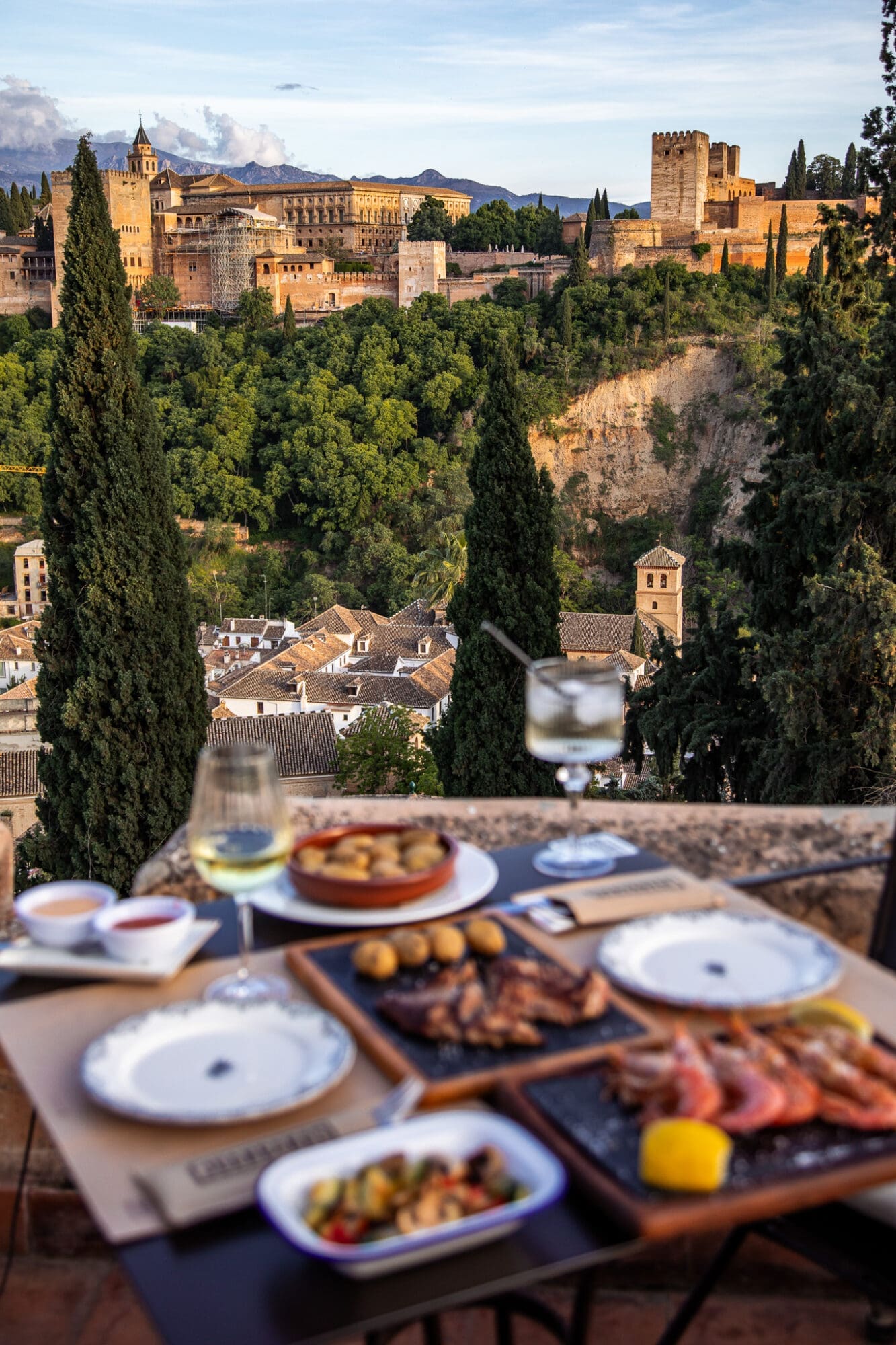
- El Huerto de Juan Ranas, La Terraza: The best views over the Alhambra are found at this alfresco dining spot (pictured). Book in advance to guarantee a front row spot (you'll have to pay €15 pp for the privilege). Prices are on the steep side, food is decent, but you're really paying to watch the Alhambra turn pink come sunset...
- FIKA: If you don't have breakfast included in your hotel booking and find yourself looking for a morning coffee fix, FIKA is a great shout. This cute brunch cafe does caffeine, as well as eggs, avocado, and smoothies galore. I particularly enjoyed the "Spanglish" brunch, a heaped portion of eggs, smoked salmon, avocado and tomato with bread.
2 Nights: Córdoba
Many take in the historic city of Cordoba as a day trip from Seville, however it has more than enough to be deserving of a full day of exploring. The food scene alone would be enough to recommend it. For a two night stay, I had enough restaurants on my bucket list to spend a month just dining my way around the city. There's a number of delicacies exclusive to the city worth trying, such as Salmorejo (a cold soup-like tomato cream), and Rabo de Toro (bull's tail stew).
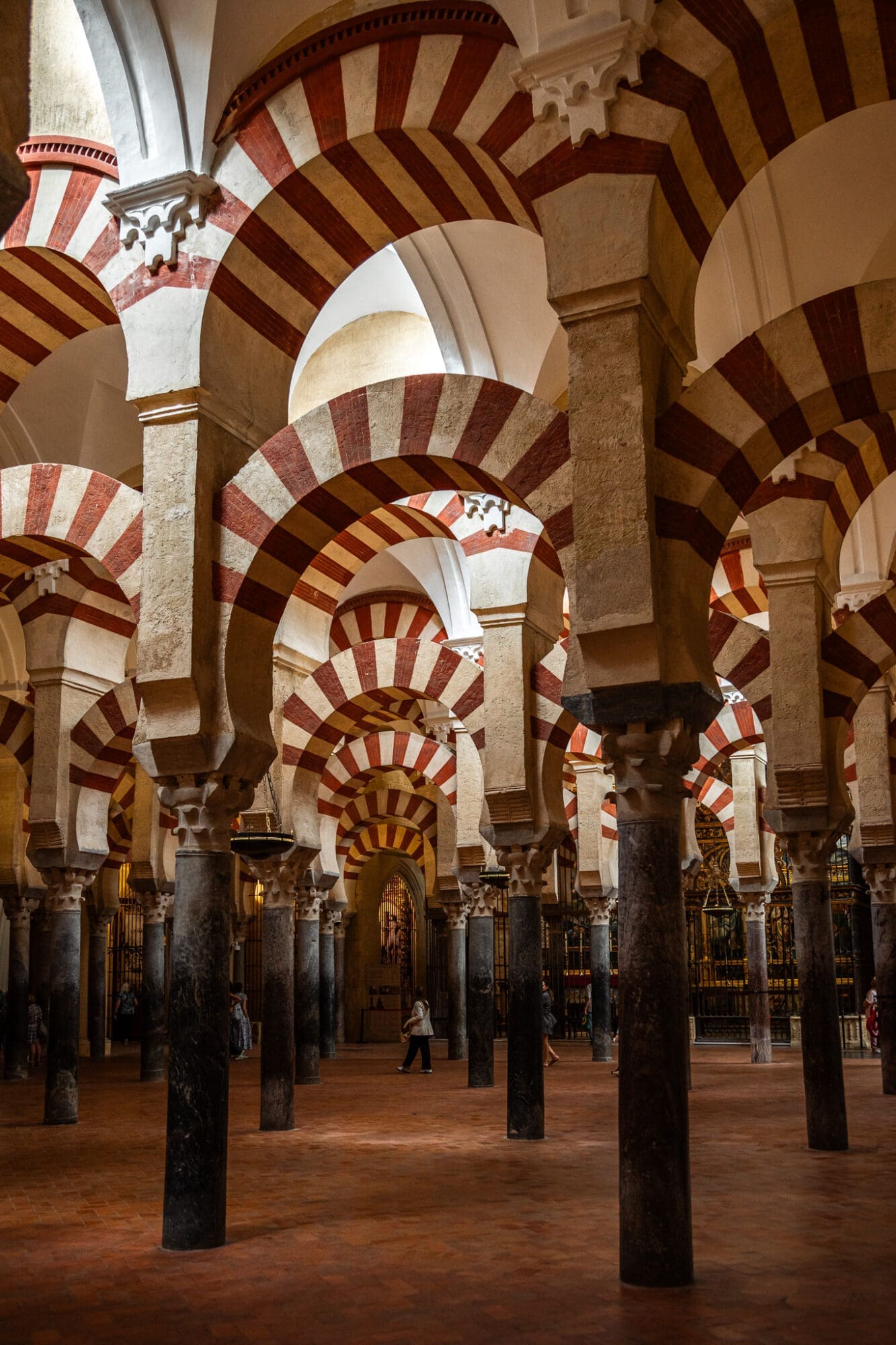
But that's not Cordoba's main draw. This is easily the Mezquita, a sprawling mosque and cathedral in one, in the heart of the old town. The Mezquita is one of the most important surviving monuments from the medieval Moorish Muslim rule of Southern Spain. During this time Cordoba was one of the largest and busiest cities in the world, reflected in much of the city's architecture. You'll also discover remnants of the city's Roman heritage throughout, such as the striking Puente Romano bridge that spans the Guadalquivir river.
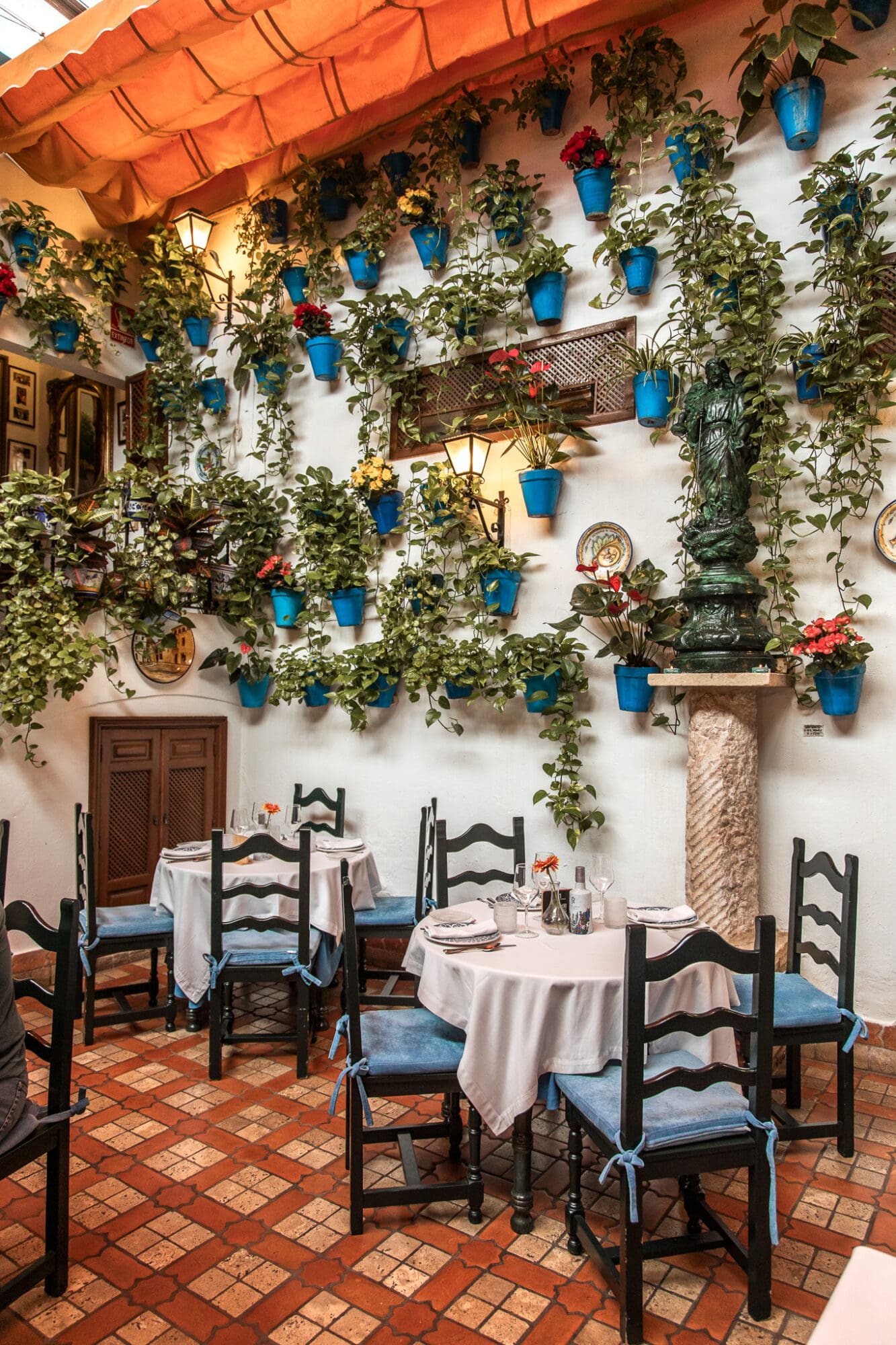
Cordoba is also famous for its patios - Arabic style courtyards filled with potted flowers. The best time to see these is in early May, when they open to the public; however many are open year round.
Where to Stay in Córdoba
- Apartamentos Casa del Aceite: A wonderful set of apartments in an untouristed but central street in the heart of Córdoba. With a traditional courtyard layout and small rooftop lounge area, there's plenty of picturesque communal areas to relax in after a day on your feet exploring. We paid a little over £100 a night for the penthouse, which came well stocked with a kitchen and lovely views of the street beyond.
- Eurostars Patios de Cordoba: Immerse yourself in Cordoba's rich history with a wealth of archeological remains and artefacts built into the property at this unique Córdoba hotel. Pair with pleasant courtyards to relax in, and an accessible price point, and you've got a great all rounder.
- H10 Palacio Colomera: Córdoba's premier luxury stay, H10's Palacio Colomera is set in a beautiful building, with a stylish rooftop and slick pool. Interiors are old meets new, modern amenities meeting classic Andalucian style.
- Hospes Palacio del Bailio: Design buffs will love this chic heritage stay with plenty of uniquely Cordoban touches, including Moorish ceilings and Roman ruins underneath the dining room floor.
- NH Collection Palacio de Córdoba: A great location within walking distance to sights, modern, sleek interiors, and a pool to cool off in during hot Andalucia days, make this one of the best stays in the city.
- Hotel Boutique Patio del Posadero: Another stay with style, in a quieter corner of the city but still easy walking distance to the heart of Córdoba's old town. I'm kind of obsessed with the spiral staircase, how gorgeous?
Things to do in Córdoba
- Mezquita-Catedral de Córdoba: Córdoba's most famous sight is this impressive mosque-meets-cathedral in the heart of the city. The sprawling site has been transformed across centuries of rule in Southern Spain, showcasing a blend of Moorish and Catholic religious architectural styles. Honestly, it's one of those places I went to more out of a sense of duty than because I was desperate to see it, but it was actually quite awe-inspiring, and quite unlike any of the other historic sights in the region. I'd recommend booking tickets online in advance.
- Palacio de Viana: This beautiful stately home showcases a collection of beautiful patios and gardens in typical Córdoban style. You can also peer into a number of rooms filled with grand artefacts, with lavish ceramics, paintings, and murals adorning the walls. I visited soon after opening at around 10:30am and had whole swathes of the property to myself, which was a very pleasant experience. A Cordoba must!
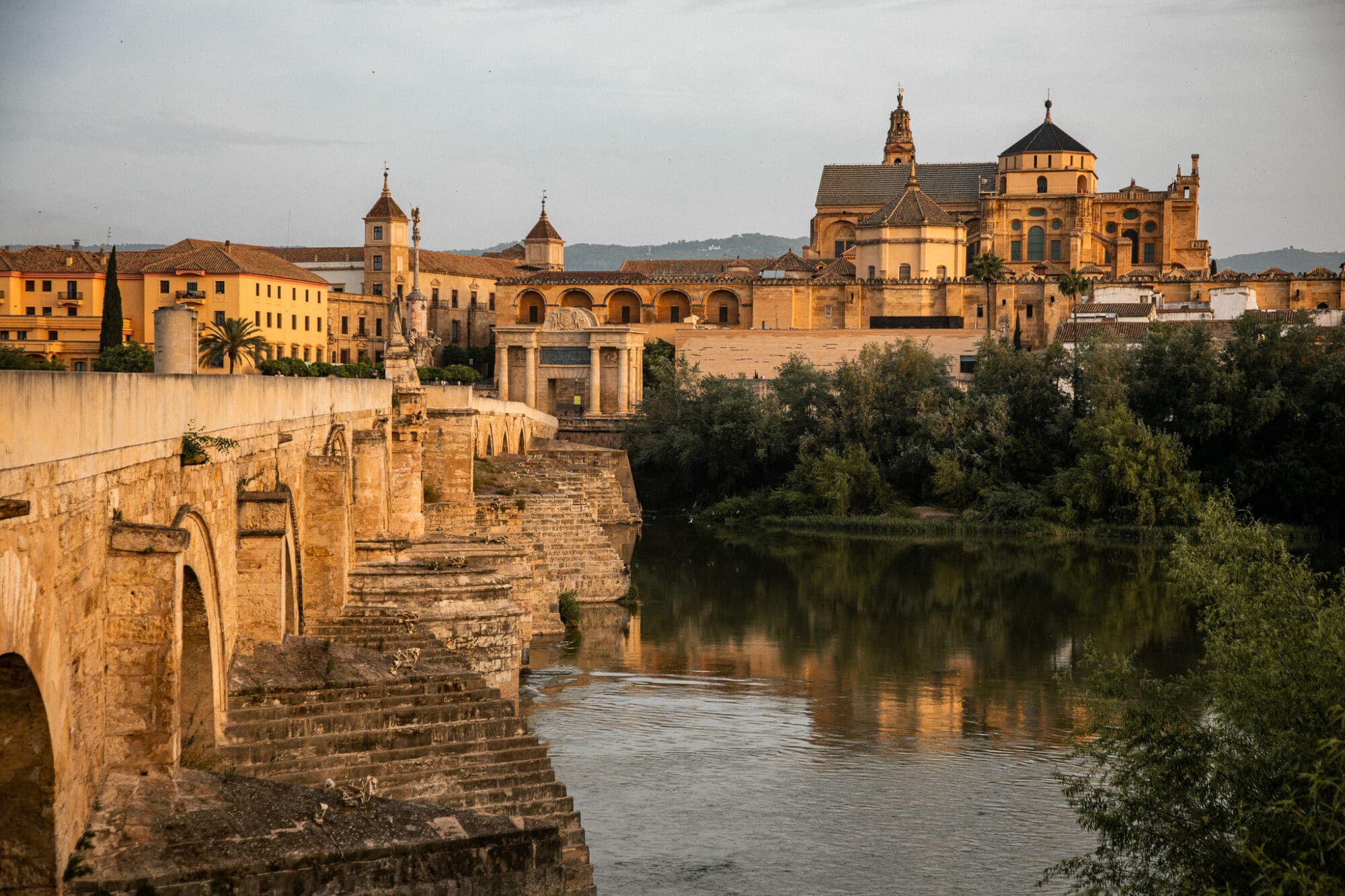
- Puente Romano Bridge: It's not a trip to Córdoba without a wander down the impressive Puente Romano, or Roman bridge. Originally built in the 1st century, it's a striking sight and offers excellent views back out towards the old town and Mezquita. I'd recommend a sunrise start - it's particularly picturesque in the golden morning glow, and a lot quieter.
- Explore the Patios: Outside of the Mezquita, Cordoba is best known for its beautiful patios. These lovely courtyards overflowing with flowers can be found in family homes and restaurants throughout the city. The best time to see them is during the annual patio in early May, when these patios are open to the public. However a number are also open year round. Some are open to the public with a small donation (so keep some cash on you), but there's also a patio route with 5 ticketed patios. These are congregated around Calle San Basilio, where you'll also find the ticket office. We actually visited in late April just before the patio festival, which meant the patios were in full bloom - but avoiding the festival crowds!
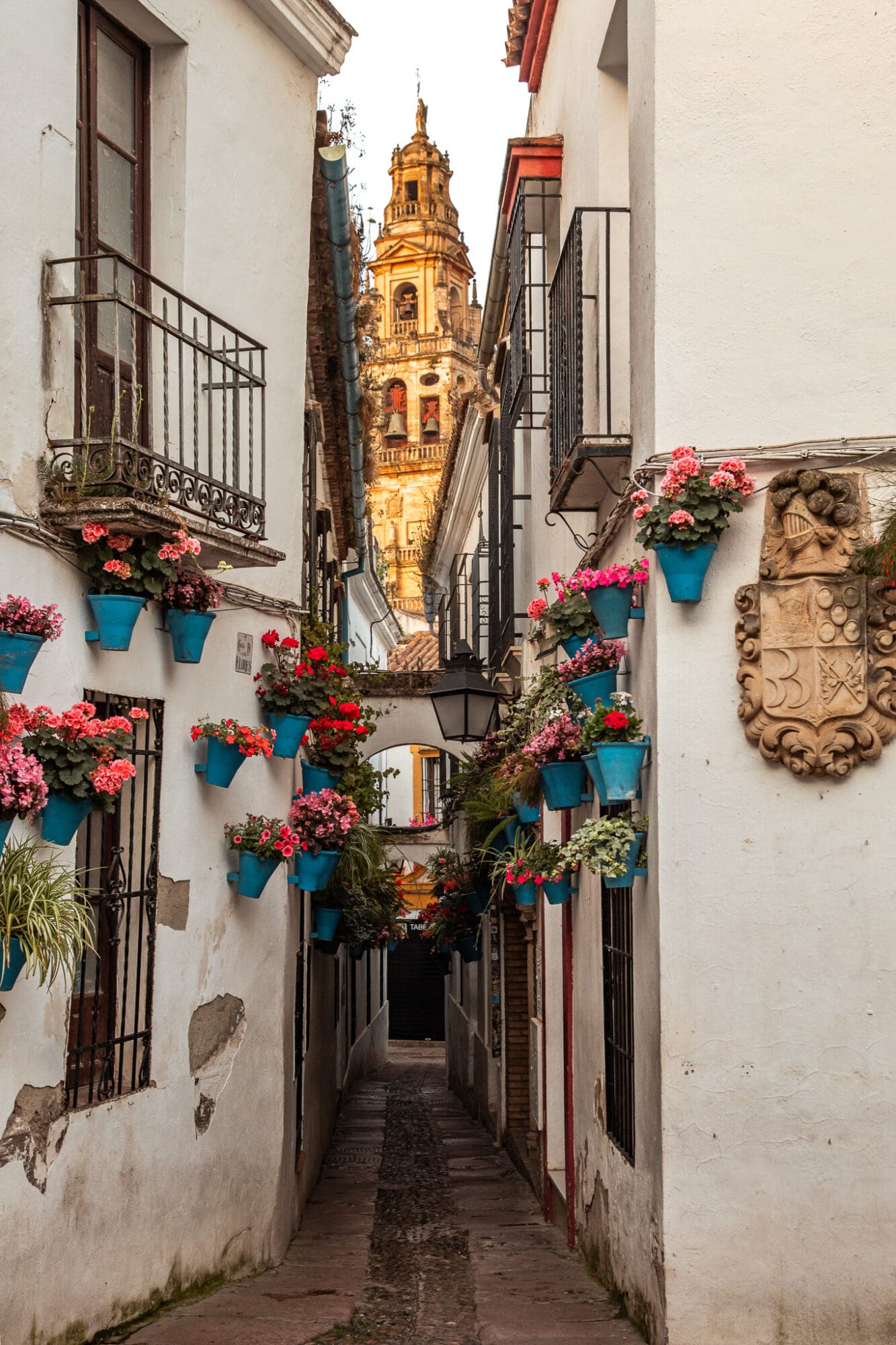
- Calleja de las Flores: This idyllic alleyway is a popular Cordoba photo spot (pictured above), with the spire of the Mezquita framed by the city's iconic hanging flower baskets. If you want to guarantee a clear shot, go early as it can get busy.
Where to Eat in Córdoba
- Restaurante El Rincon De Carmen: My first taste of the region's traditional salmorejo, and I was thoroughly impressed - though there were no bad dishes at this atmospheric spot. Book in advance for a table in the courtyard.
- Puerta Sevilla: Sat at the end of Calle San Basillo, a street known for its plethora of patios, this restaurant boasts a rather lovely patio of its own for diners to enjoy. Food is rustic but tasty, service is traditional with white tablecloths and staff in waistcoats.
- Taberna San Miguel "Casa El Pisto": Opened in 1880, this long-standing taverna is no frills but a lot of fun, with interiors filled with vintage bull fighting posters. The lomo de vaca (beef loin) is an ample portion, just cooked enough and very juicy. The only greenery is a fairly unloved house salad, so it's not one for the veggies I'm afraid!
- Bar Santos: Set just off the Mezquita, Bar Santos is known for its towering Spanish tortillas, served by the slice. Part omelette, part potato, very delicious (and only a couple of Euros, it'd be rude not to!).
- El Churrasco: Adam fell unwell so we didn't quite make it here, but this traditional spot with rather fabulous interiors and heaving platters of meat is high up my list for next time. If you go, report back?
2 weeks in Andalucia is a painfully short amount of time to experience everything that this vast and culturally abundant region has to offer. However I hope this Andalucia 2 week itinerary gives you a solid starting point for planning your Southern Spain adventures. As always, if you have any questions, or other recommendations, please don't hesitate to pop them in the comments below. And make sure to follow along on Instagram for lots more travel guides and inspiration...
Pin Me